Showroom - Book a Visit

Sort by:
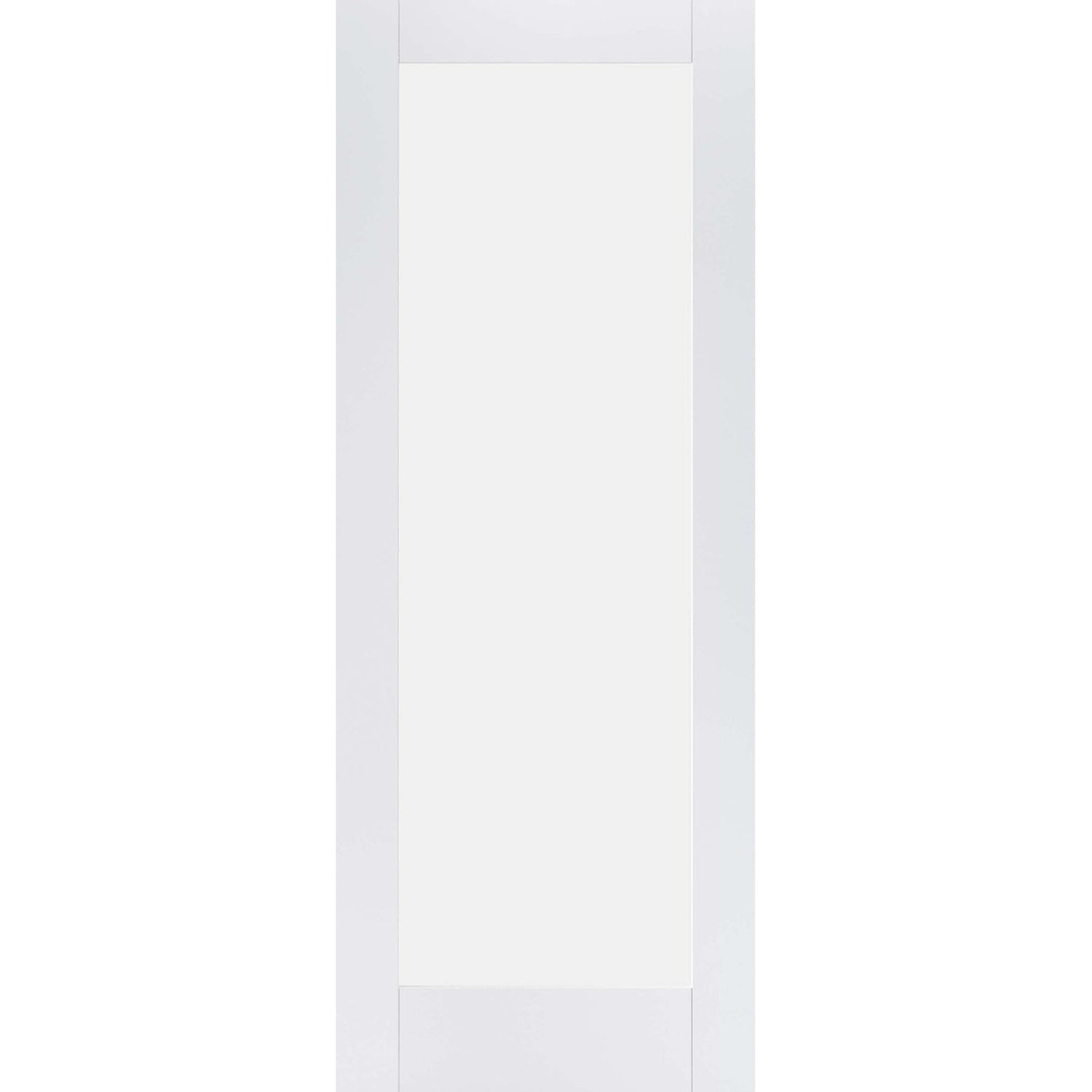


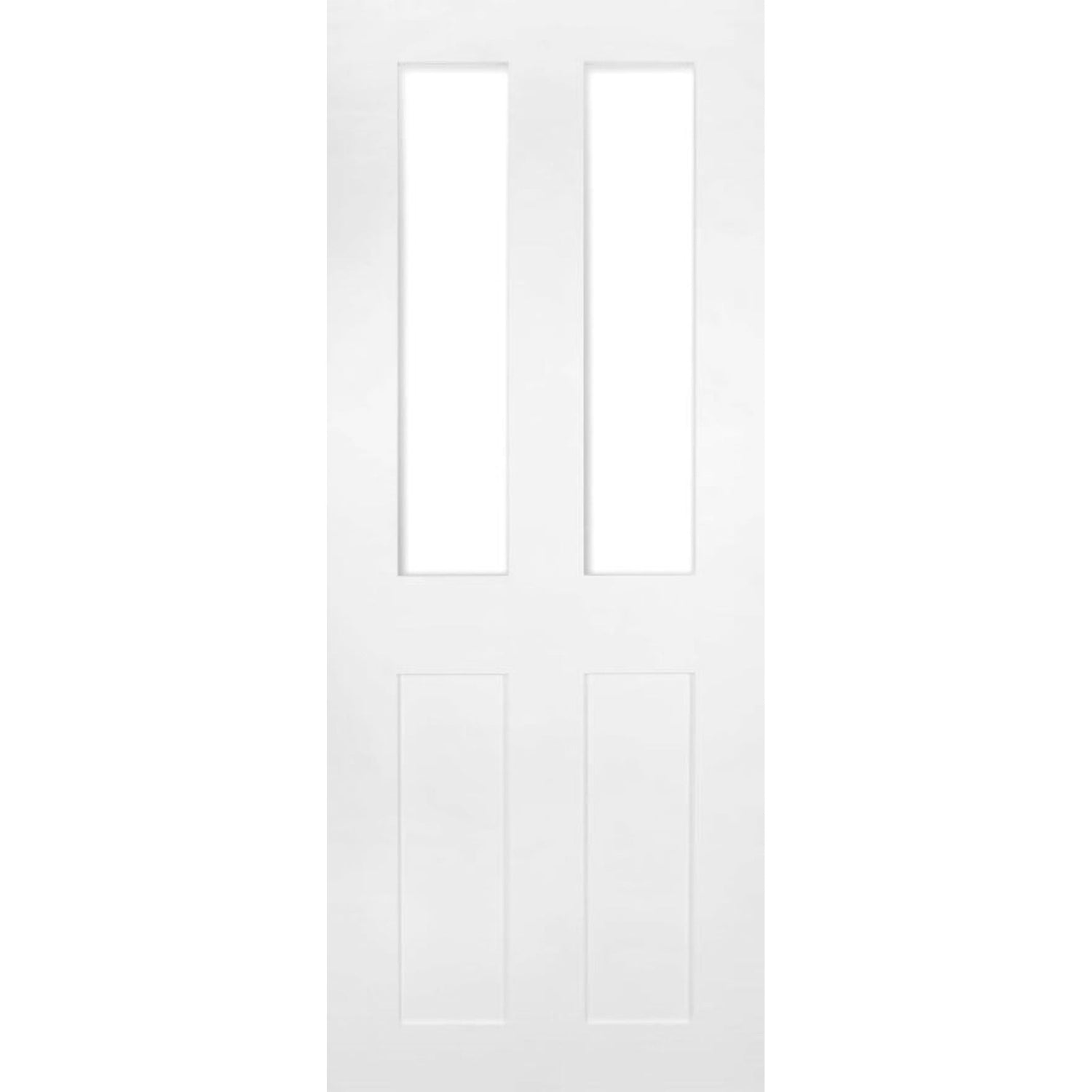




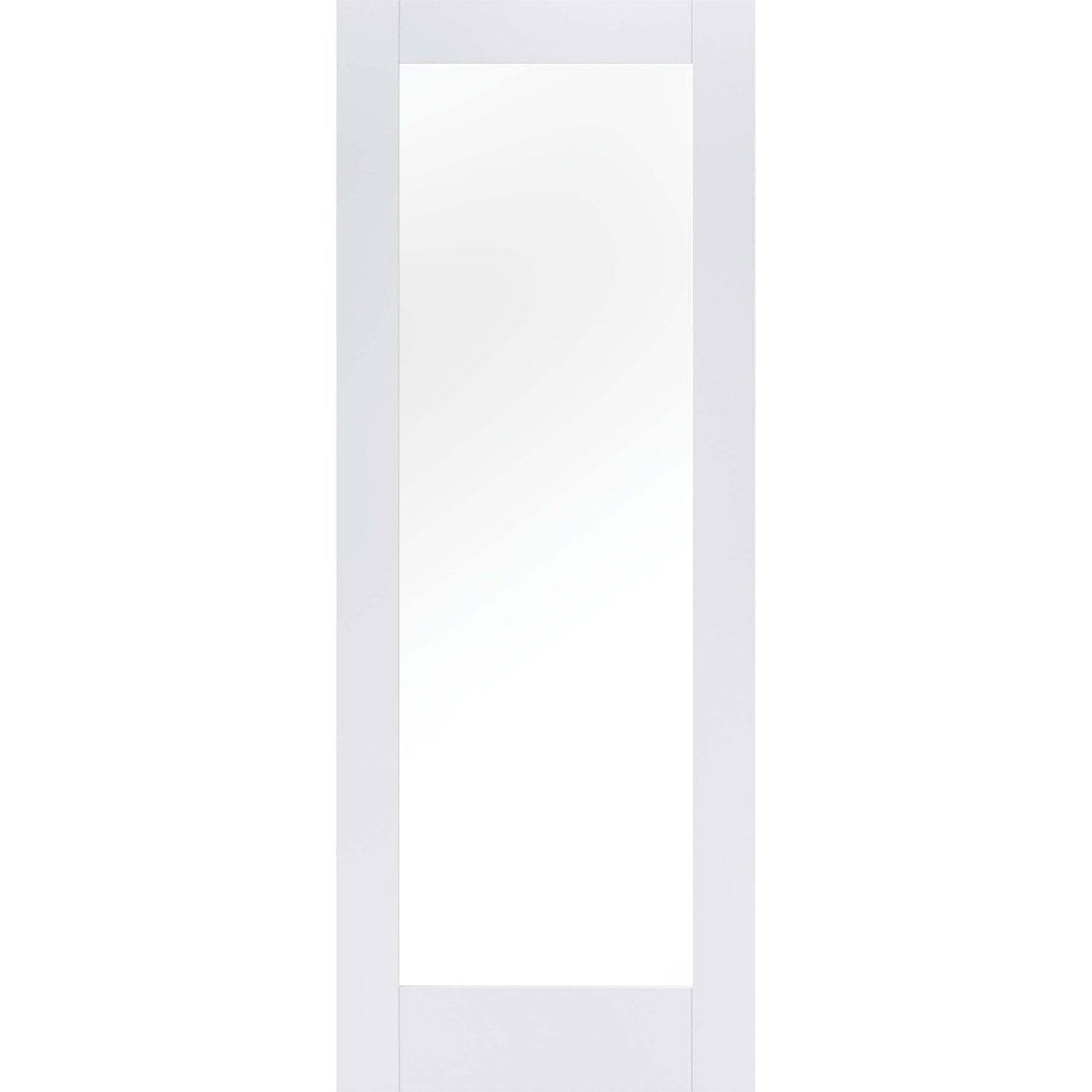
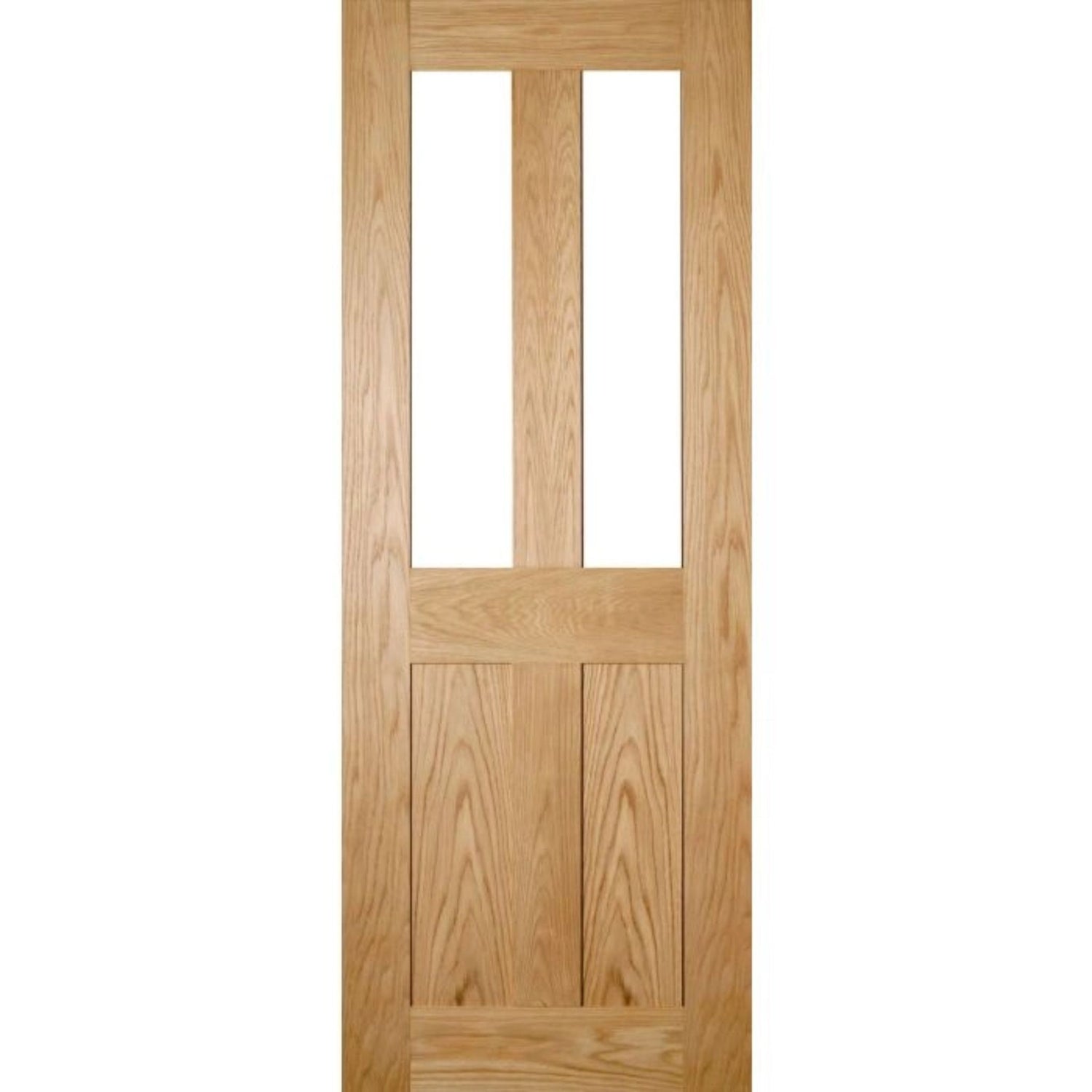


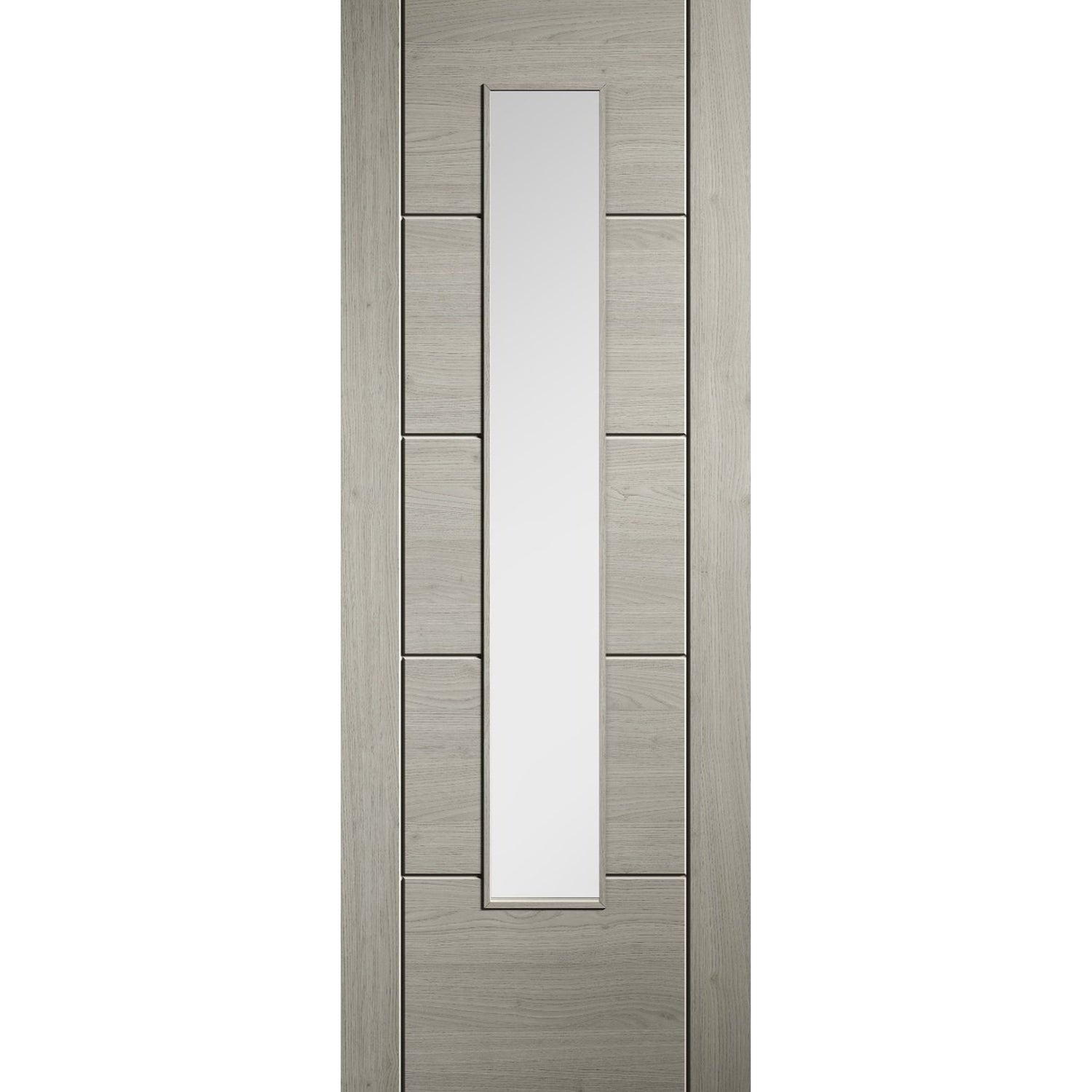


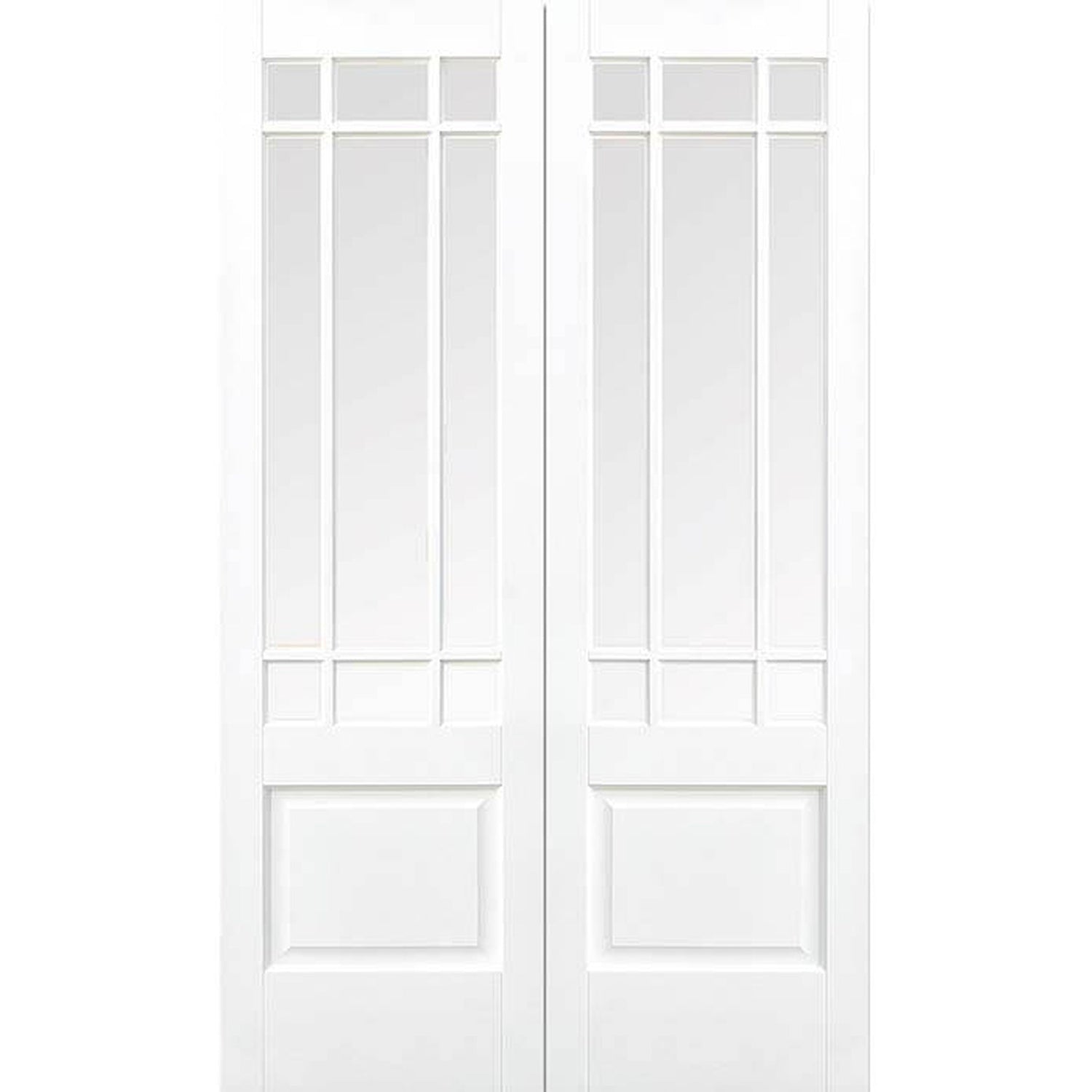


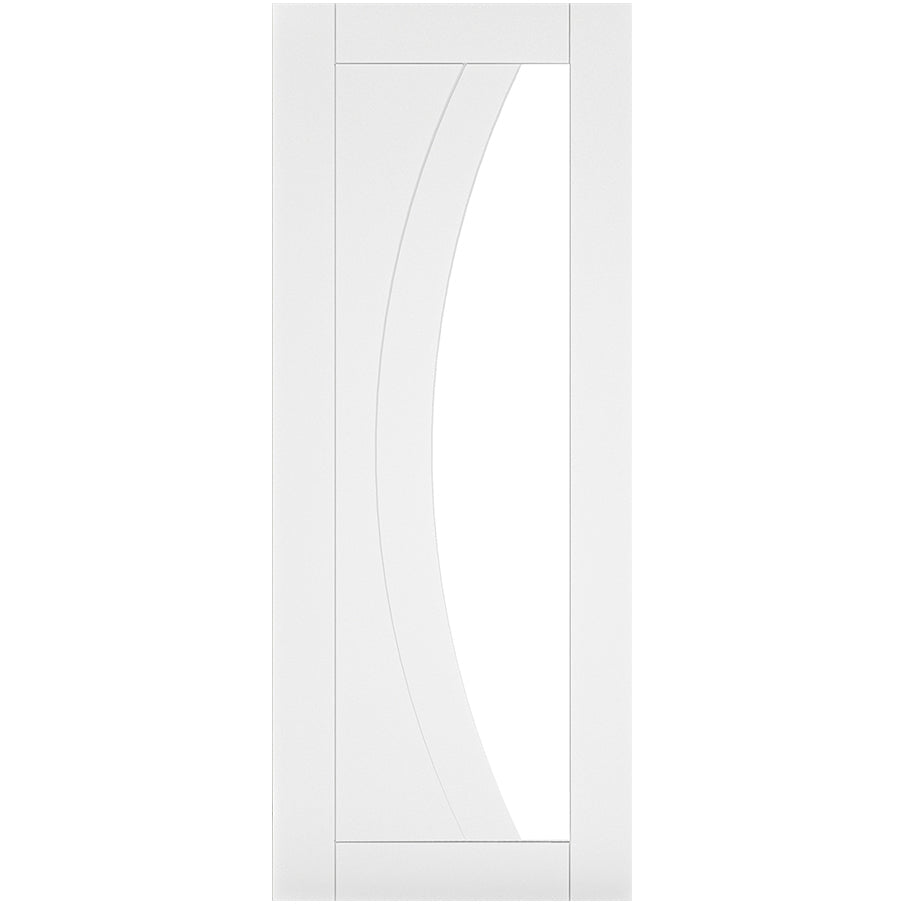

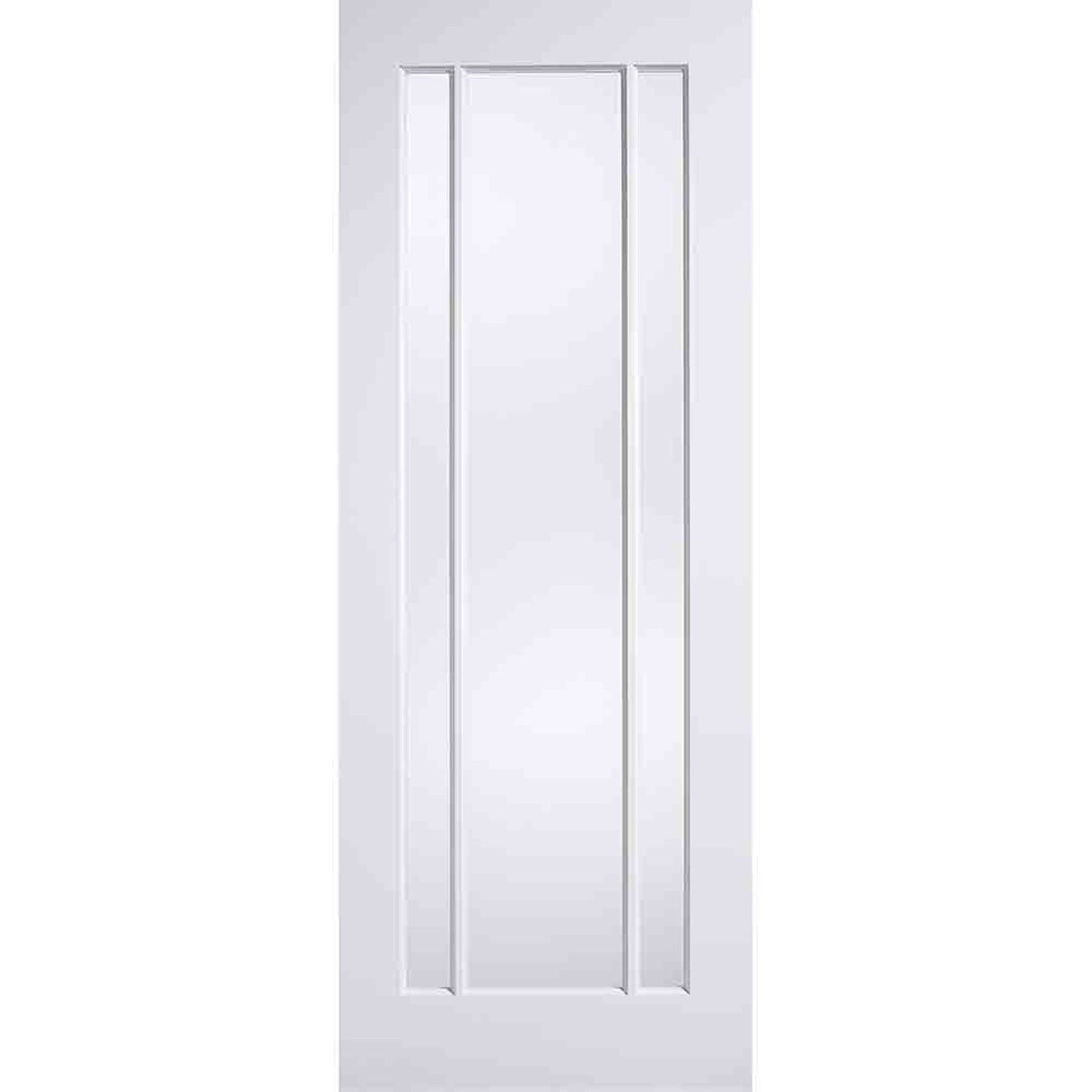


Internal Doors with Glass
Internal glazed doors put a glass panel where a solid door would otherwise be, so daylight can travel from a bright room into a darker one without losing the separation between them. They are the easiest way to lift a gloomy hallway, connect a kitchen-diner or borrow light into a home office, turning a closed-off layout into something that feels open and connected without knocking a single wall through. The range here covers every glass type, panel layout and frame colour, so you can match the door to the room rather than settle for whatever fits, and it all sits within our wider glazed doors range as the internal doors built to share light rather than keep the weather out.
Choosing the Glass
The glass is the part that decides how much light comes through and how much you can actually see, so it is worth matching it to the room. Clear glazed doors pass the most daylight and keep a full, uninterrupted view between rooms, which makes them the natural choice for living areas, open-plan spaces and any hallway that needs brightening. Where a room needs a little privacy, such as a bathroom, an ensuite or a study, frosted and obscure glazed doors soften and blur the view while still letting plenty of daylight through, so the room stays light without being on show. For a period or cottage-style home, bevelled glazed doors add cut-glass detail that catches and scatters the light for a more traditional, decorative look. And where the opening has to be fire-rated, a glazed fire door carries a vision panel that keeps sightlines and daylight without giving up any of its protection.
How Much Glass and Which Layout
How much of the door is glazed changes both the light it lets in and how well it stands up to daily life. A fully glazed door is mostly glass from top to bottom, which gives the brightest, most open feel and suits contemporary spaces where light matters more than hard wear. A half glazed door keeps a solid lower panel that copes far better with knocks, bags and pets, which makes it the safer bet for busy hallways, utility rooms and family homes. For a wider opening between two rooms, a pair works better than a single leaf: internal French doors make an elegant divide between a living and dining room, while a set of internal double doors can open the space right up when you want it and close it back down when you do not.
Frame Colours and Finishes
The frame is what ties the door to your skirting, flooring and the rest of the doors in the house, so it pays to pick a finish that carries through. Oak glazed doors bring natural warmth and grain that suits traditional and transitional schemes alike, and sit especially well against wood or stone floors. White glazed doors keep a room feeling bright, clean and neutral, and go with almost any decor, which is why they are the safe all-rounder. For something with more presence, black glazed doors give a bold, modern contrast that looks sharpest with slim glazing bars and a monochrome scheme. Grey glazed doors offer a softer, contemporary middle ground, while walnut glazed doors bring a richer, darker tone for a warmer, more traditional feel. Our oak doors are engineered oak with a real oak veneer, finished with oil that protects and feeds the grain, while primed and painted frames arrive ready for you to decorate to your own colour.
Finishing the Job
A glazed door only hangs and lasts as well as the opening you fit it into, so it is worth getting the surrounding pieces right at the same time. Hang the door in a matching frame or lining cut to your wall thickness, so it sits flush and swings true rather than binding or dropping. Fit the right handles and hinges to match the finish and stand up to daily use. And keep any wood door protected with the correct oils and treatments, applied before and after fitting, so the finish holds up over time.
FAQs
Glass in a door sits in what building regulations call a critical location, so it is toughened or laminated safety glass rather than ordinary glass. That keeps the door safe if someone knocks or walks into it.
Frosted or obscure glass is the one to pick — it lets daylight through while blurring the view, so the room stays bright but private. Clear glass is better kept for living rooms and hallways where an open view is what you're after.
They come in the standard UK internal door sizes, in both imperial and metric, so most will suit an existing opening. Many can also be trimmed slightly to fit — each product page lists its size and any trimming allowance.
Not at all. The glass wipes clean with ordinary glass cleaner, an oiled oak or veneer door benefits from a fresh coat of oil now and then, and a painted or primed door just needs the occasional wipe-down.
Recently viewed products
Get inspired with @internal.doors