Showroom - Book a Visit

Sort by:


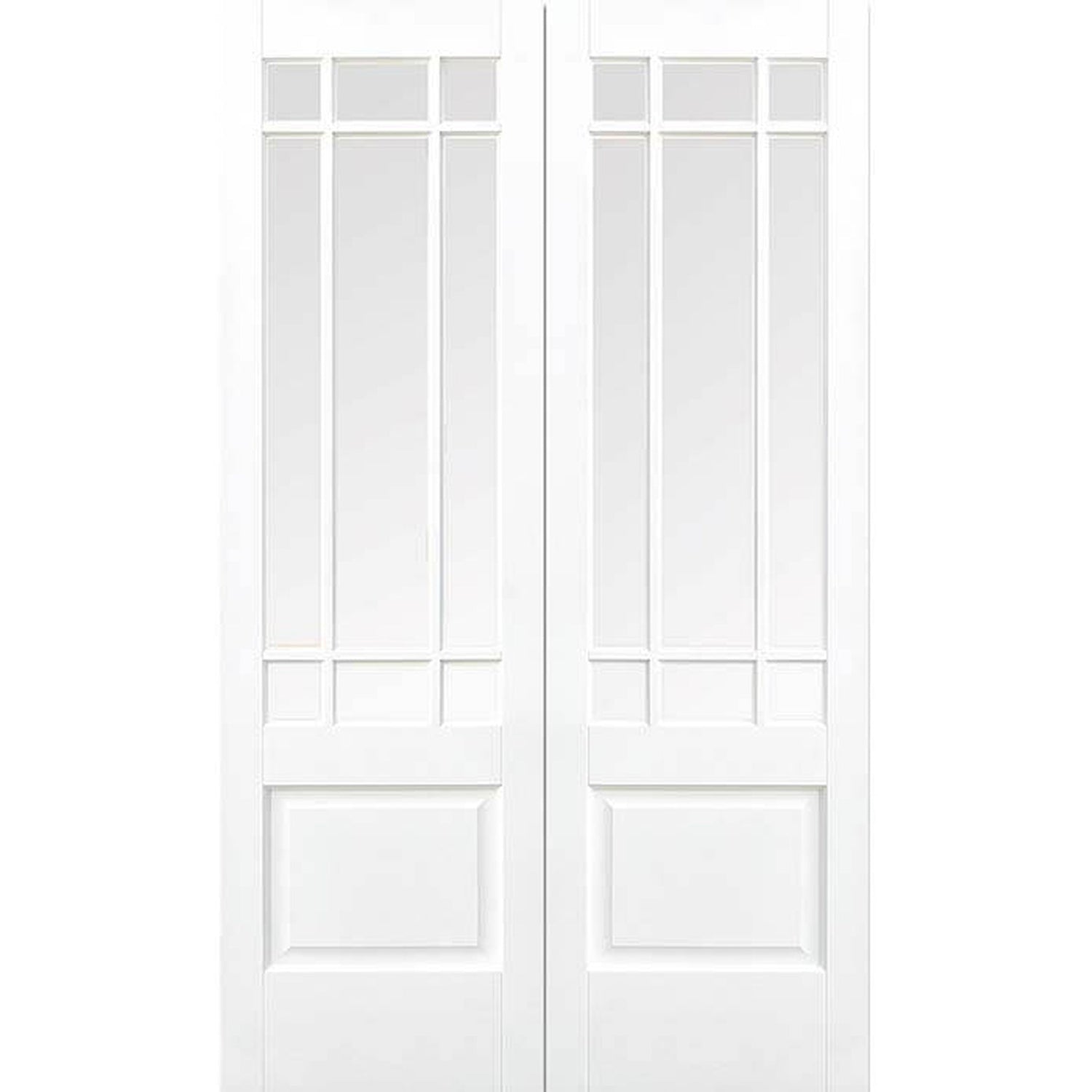
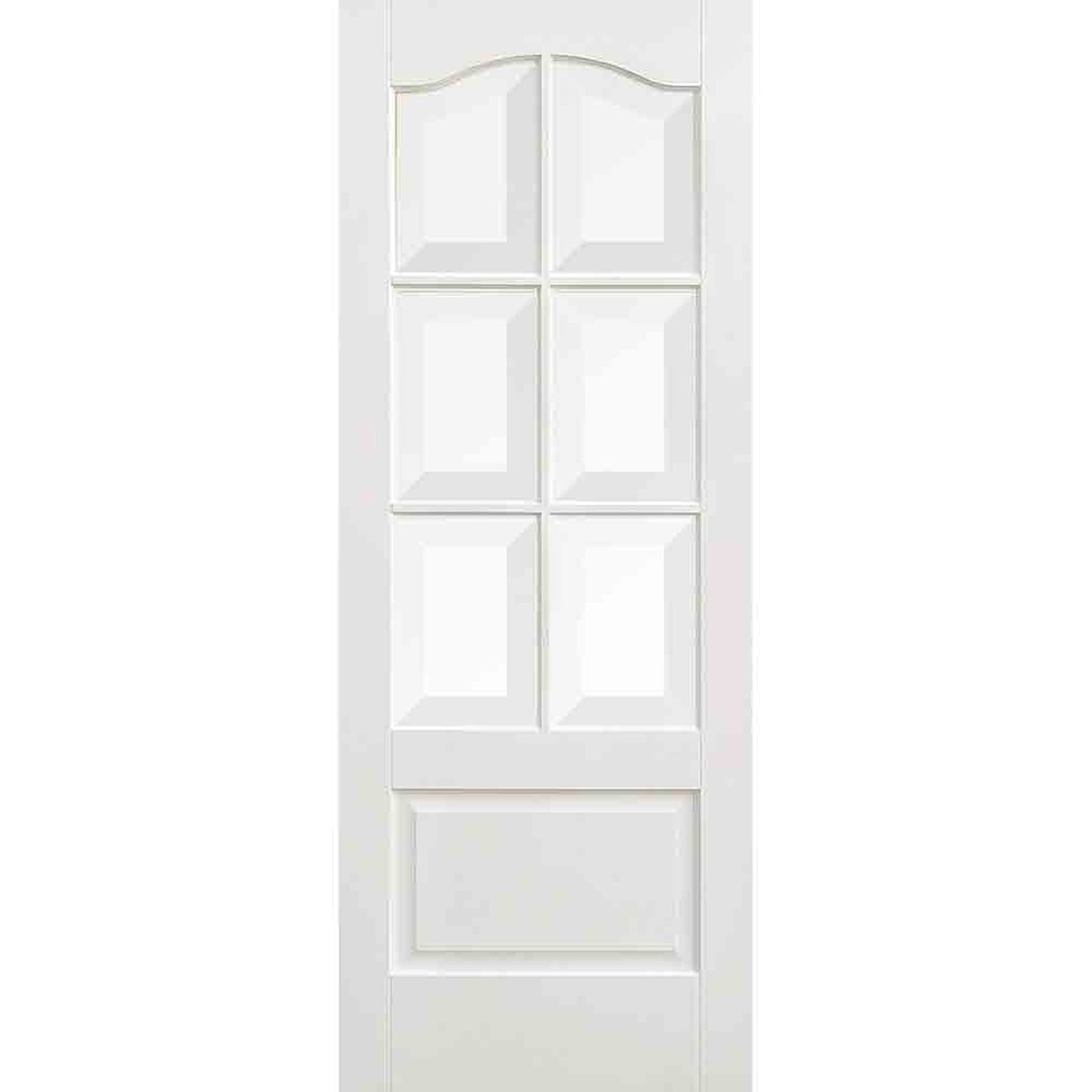
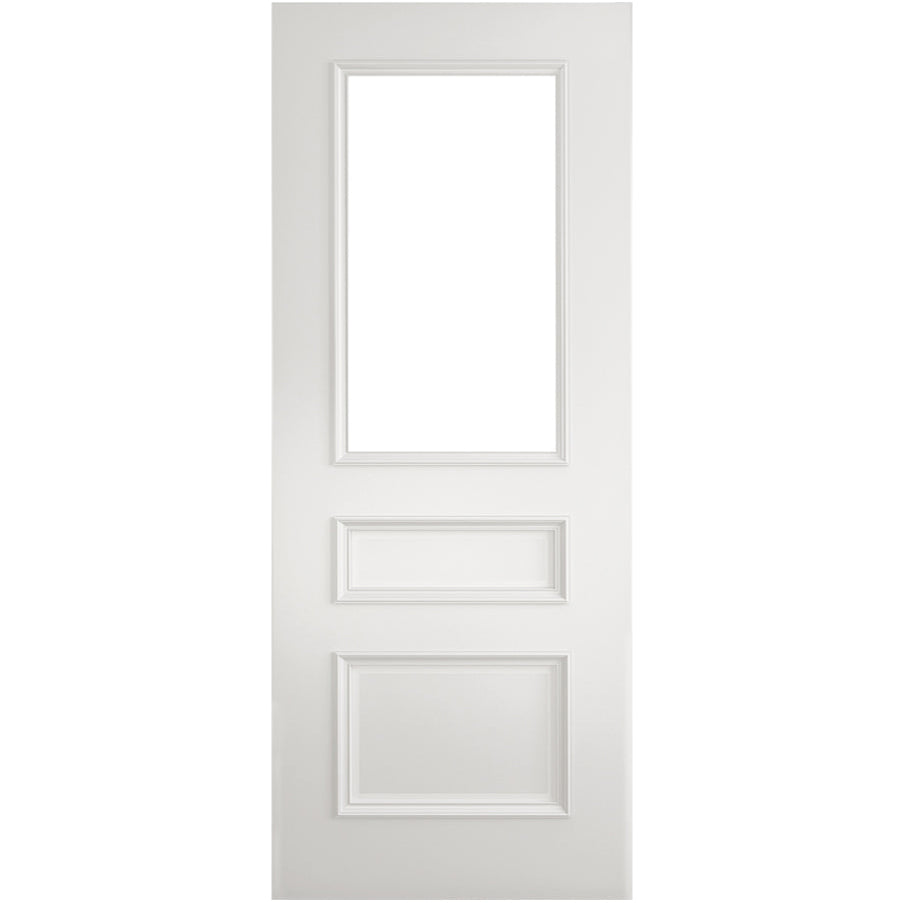

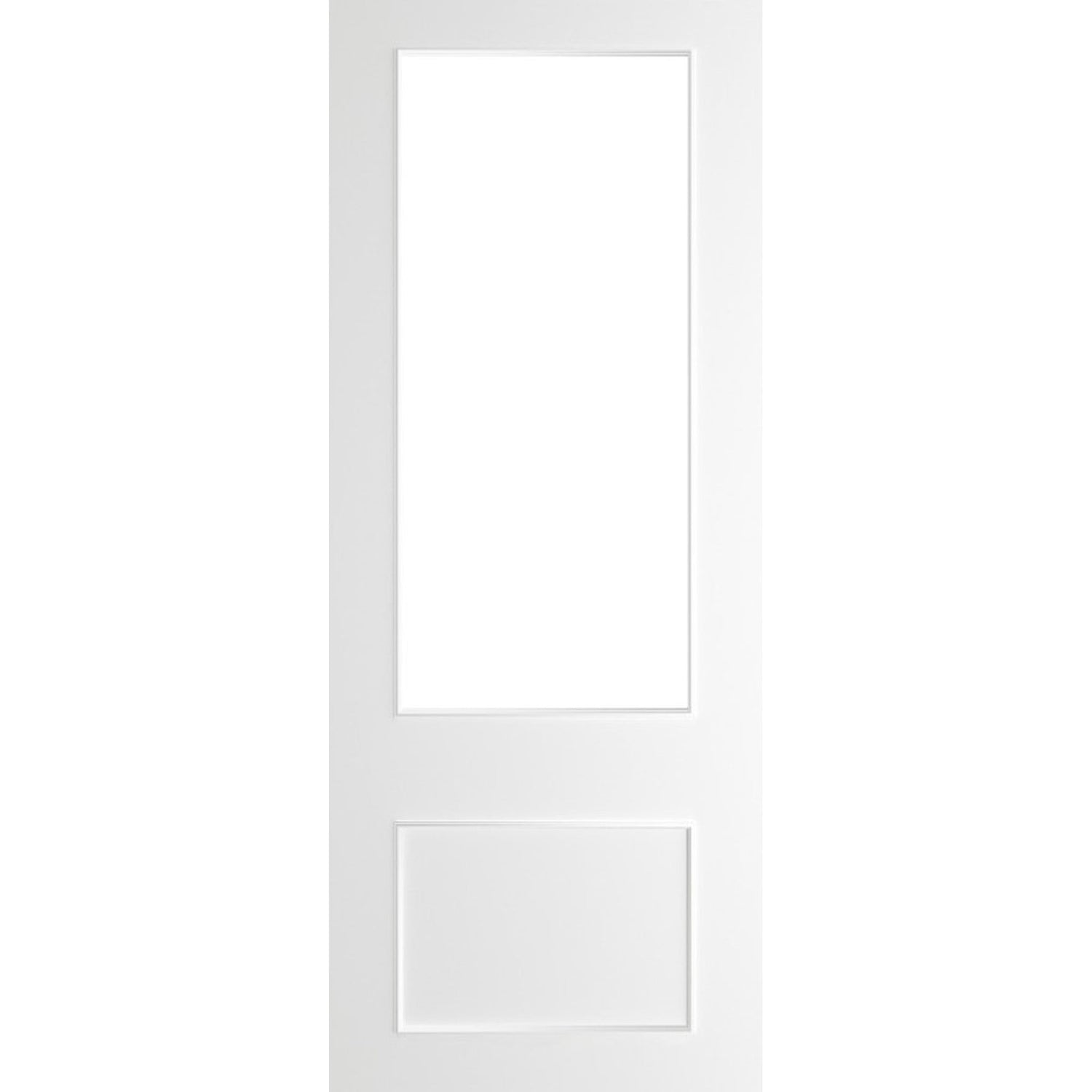


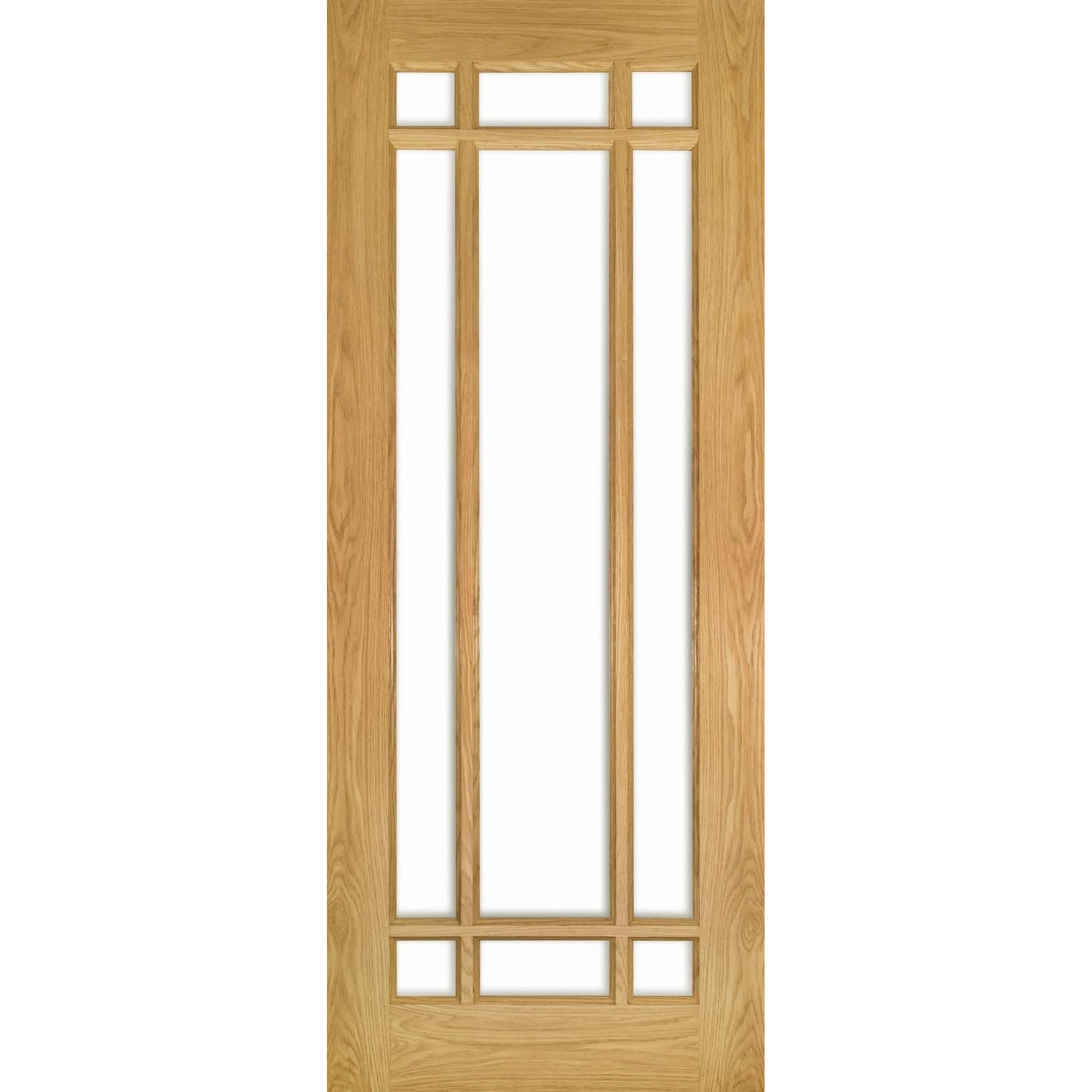


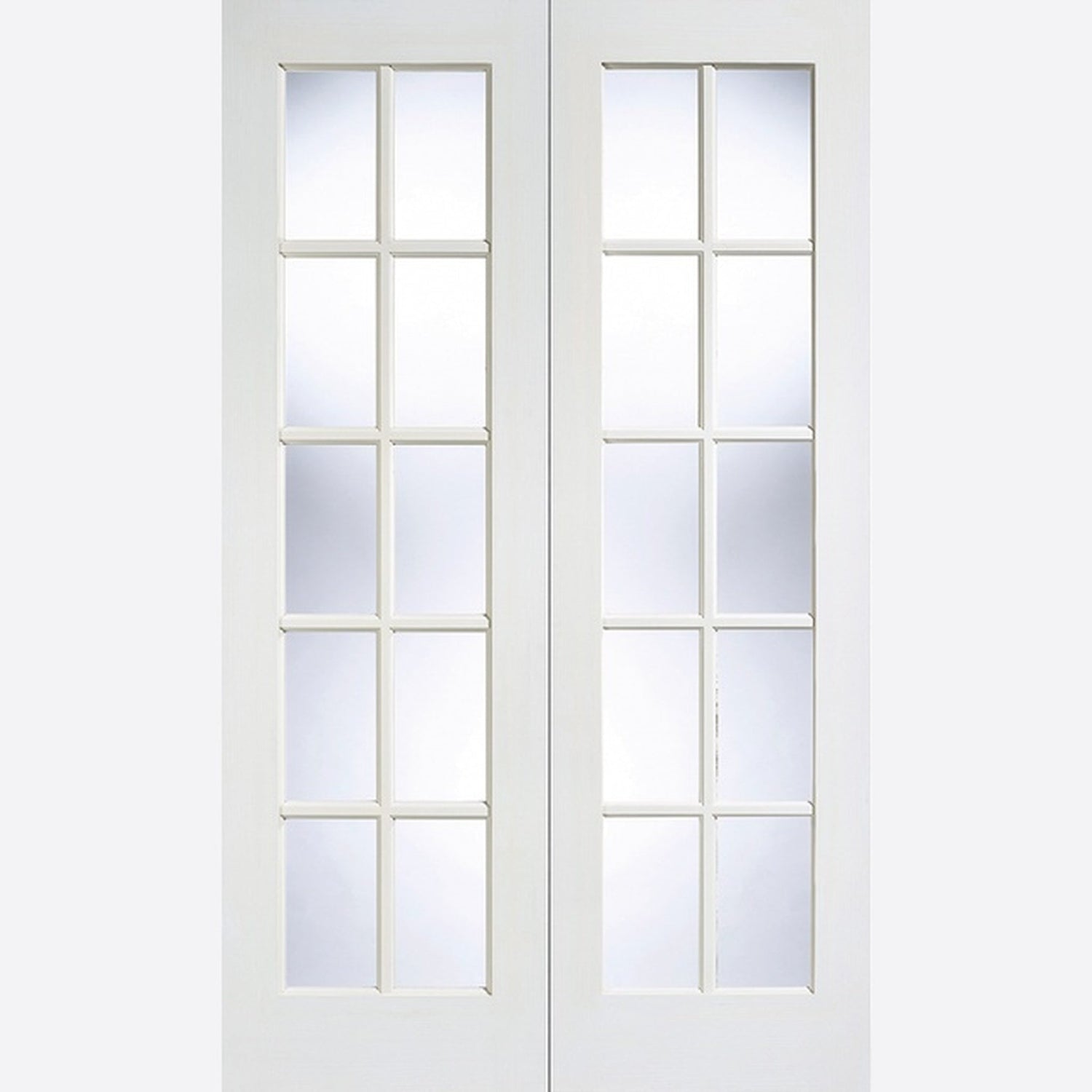


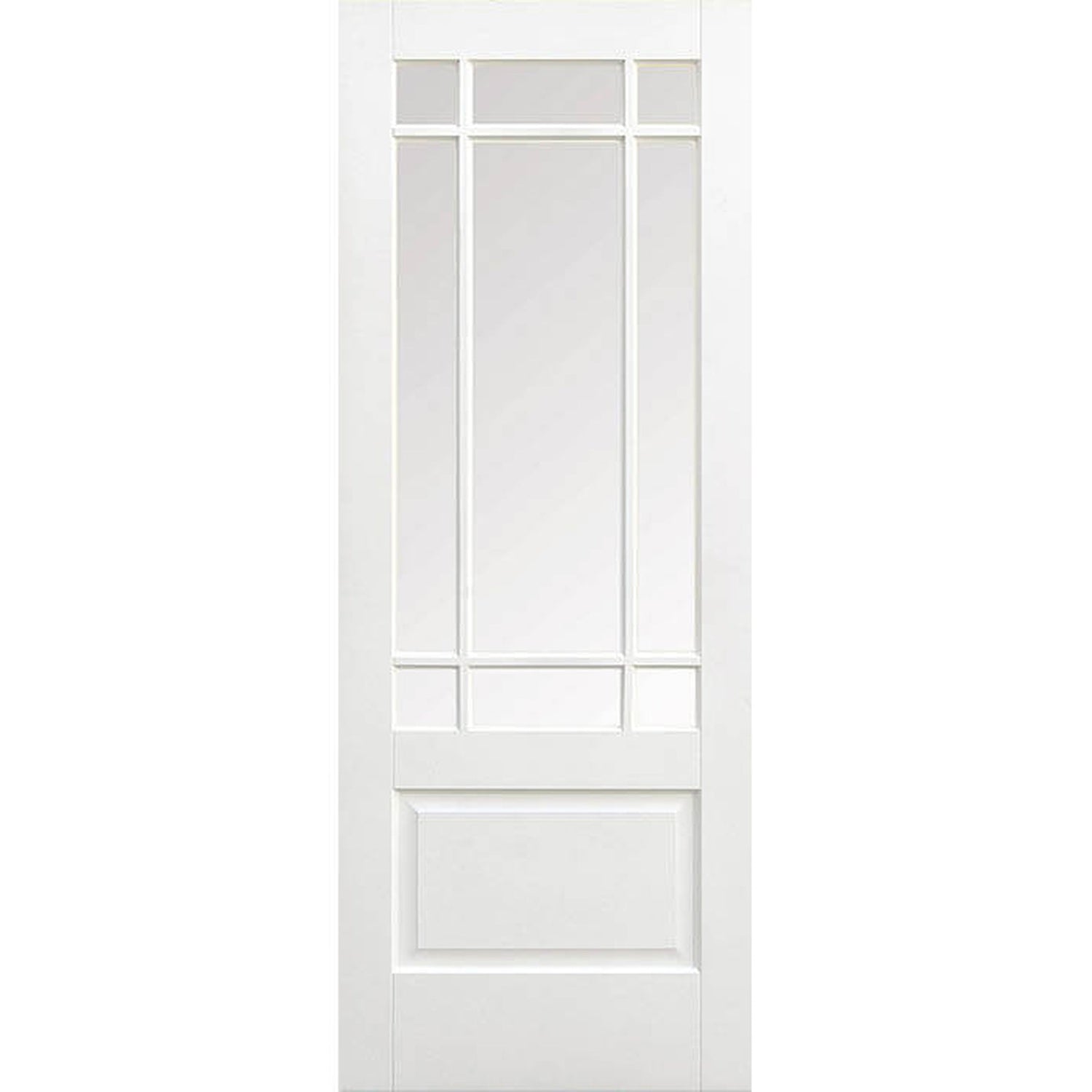

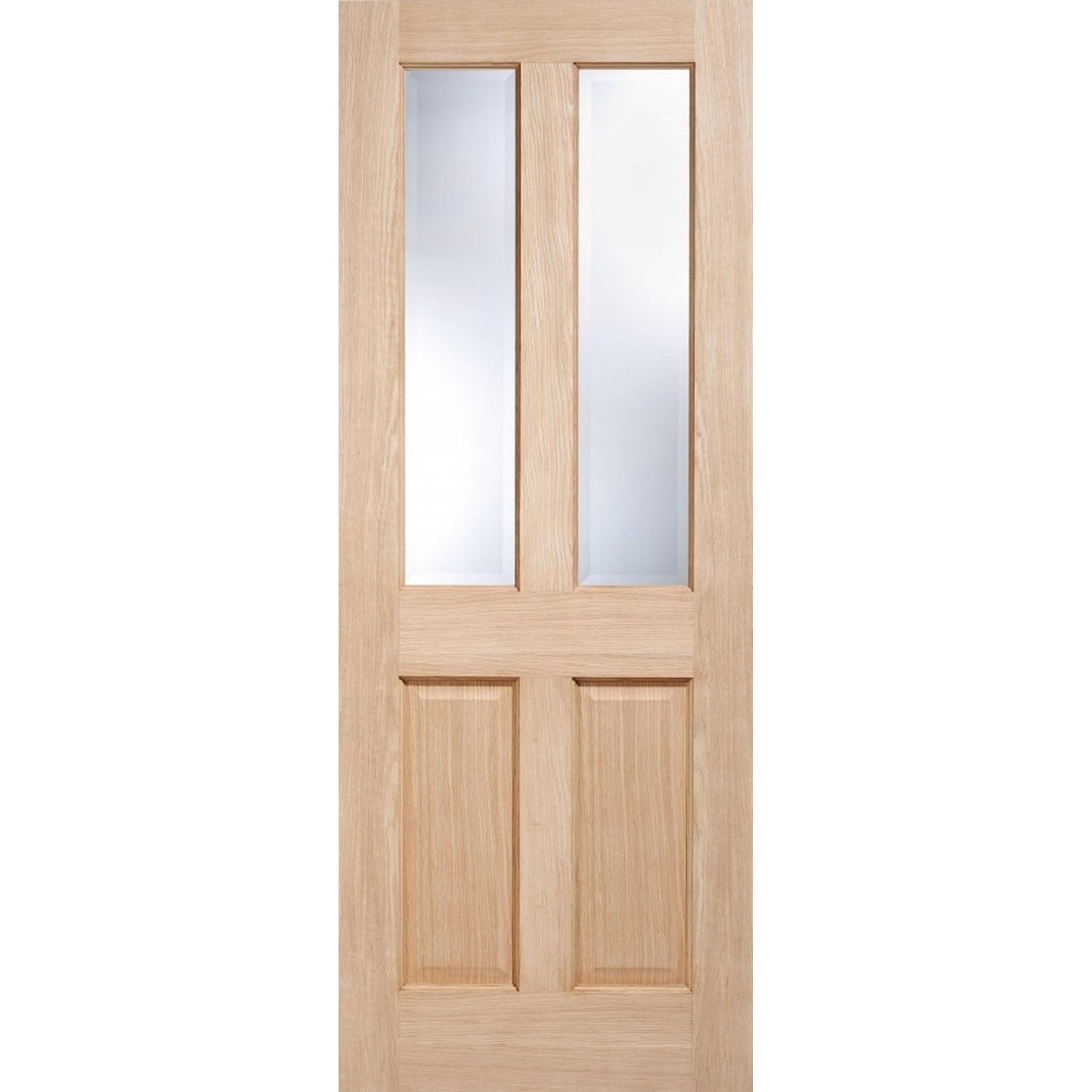
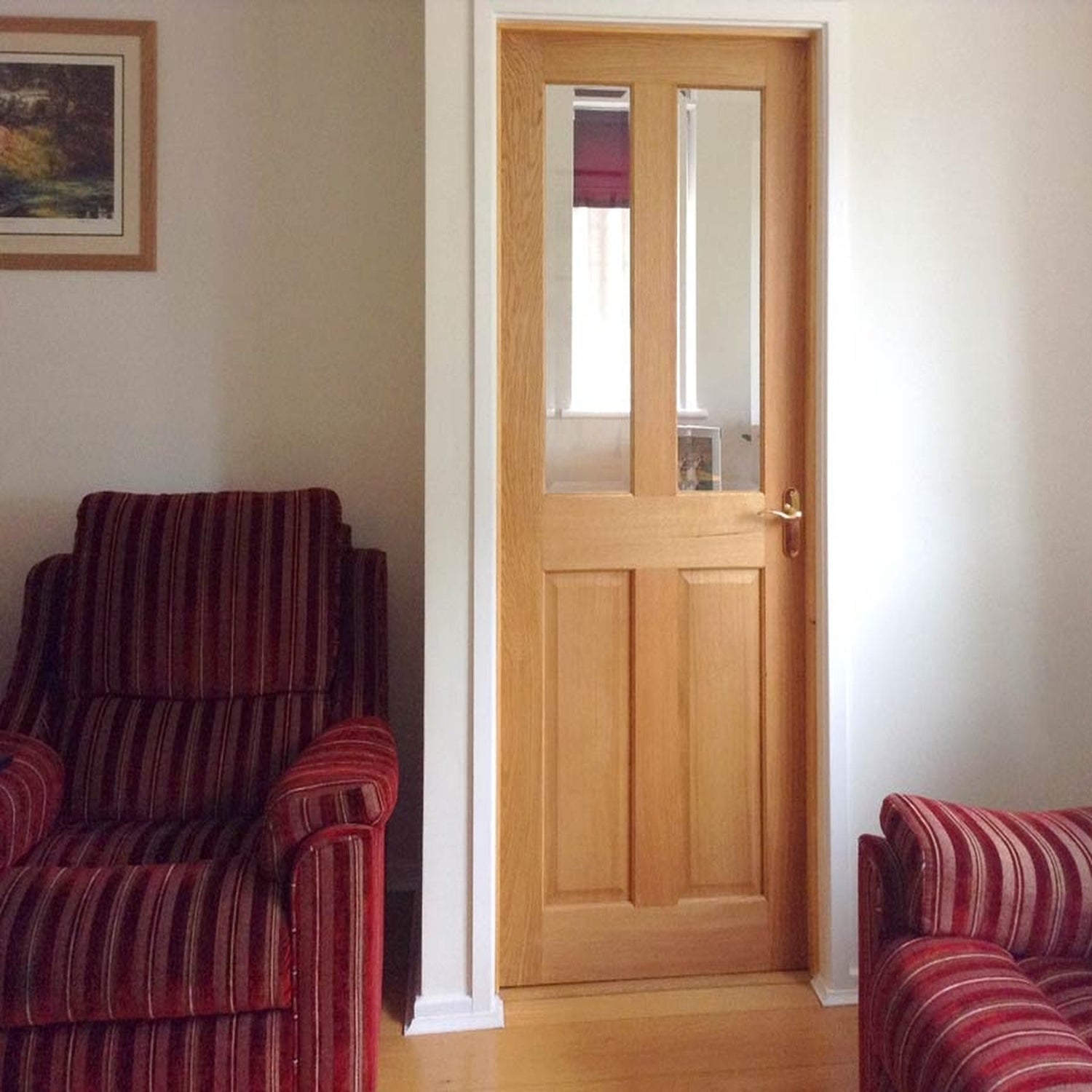
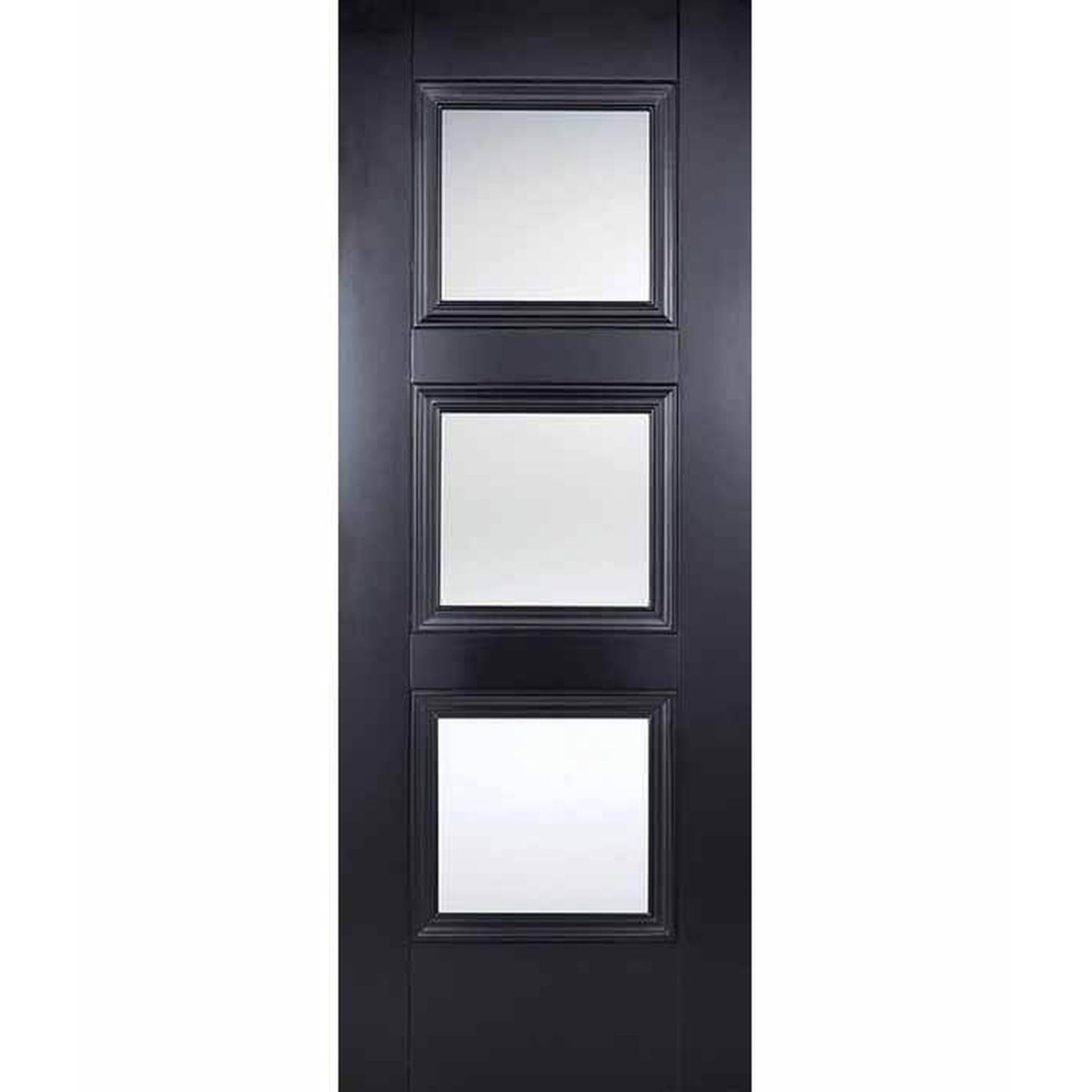
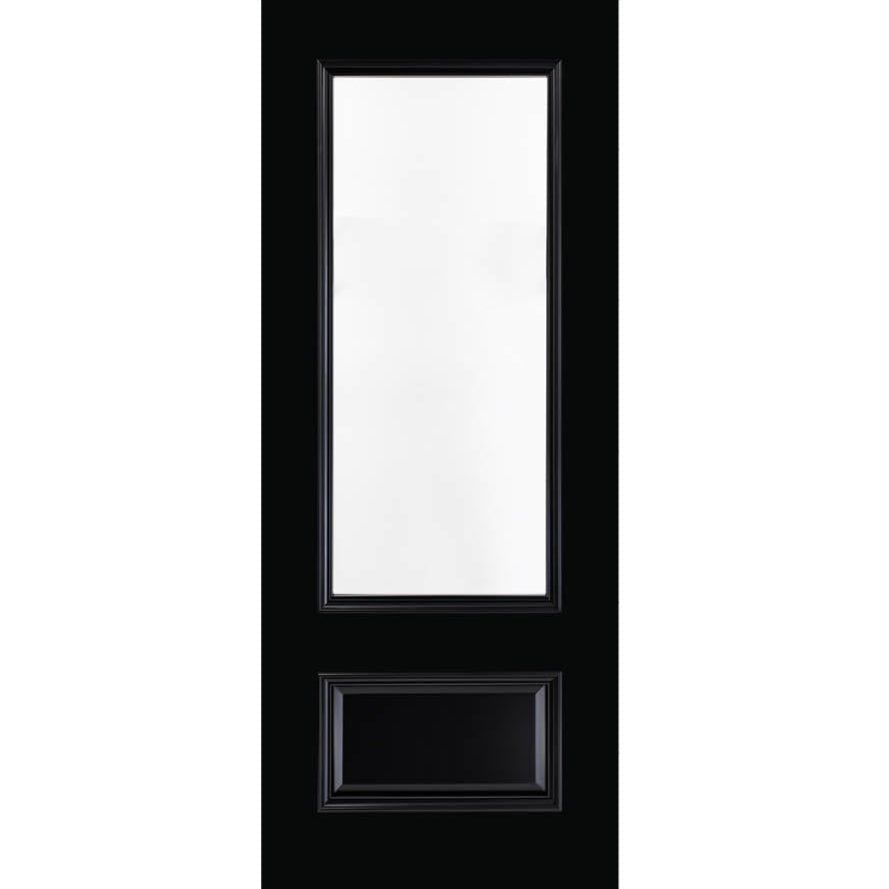

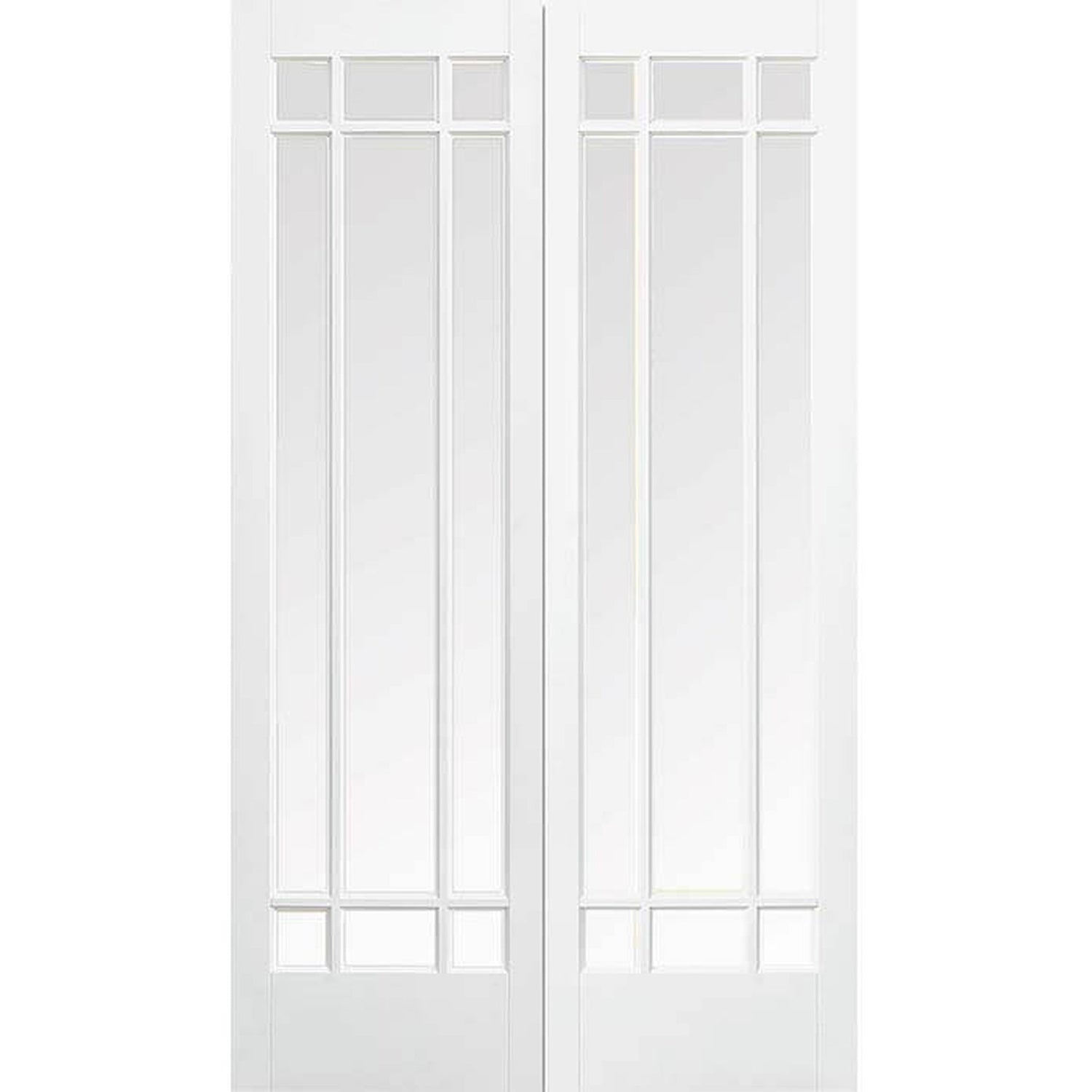
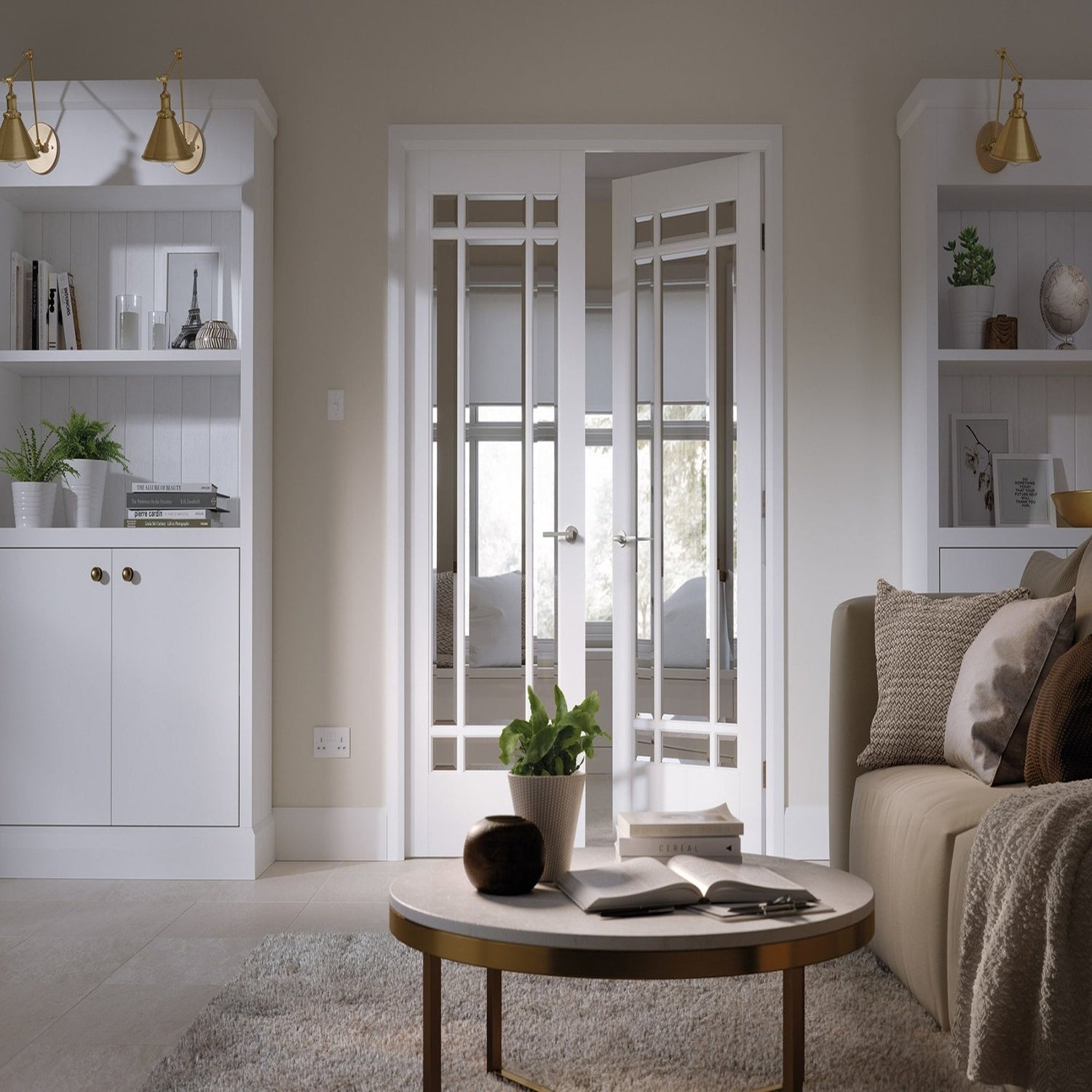
Bevelled Glazed Doors
Bevelled glazed doors add a decorative, period-style detail that plainer glazing cannot, using angled edges cut into the glass to catch and refract the light as it passes through. The effect is subtle by day and more striking when light hits it directly, giving a hallway or reception room a touch of craftsmanship while the glass still does the everyday job of sharing daylight between spaces. This collection gathers our bevelled glazed doors as part of the wider glazed doors range.
Decorative Glass That Catches the Light
The bevel is a shallow angle ground around the edge of each pane, and it works a little like a prism: as daylight or a lamp catches it, the cut edges throw soft highlights and, in bright sun, occasional flashes of colour. That decorative quality is why bevelled and leaded glass has long been associated with Victorian and Edwardian homes, though it sits just as comfortably in a modern interior that wants a little more detail than flat glass. Because the bevelling is worked into the glass itself rather than printed on the surface, it keeps its effect for the life of the door.
How Much Glass
How much of the door is glazed sets both the light and the character. A fully glazed door carries the bevelled glass across most of its face for the greatest light and the boldest decorative effect, while a half glazed door keeps a solid lower panel for a more traditional look and sets the bevelled detail in the upper half at eye level. Both come in a choice of frame finishes, so you can match the door to the period and style of the room.
Prefer a Different Glass?
Bevelled glass is the decorative option, but it is not the only one. Clear glazed doors keep the glass plain for the most light and the most open, contemporary feel. Where privacy matters more than detail, frosted and obscure glazed doors diffuse the view while still letting daylight through. Each keeps the same choice of frames, so only the glass changes.
Finishing the Job
A bevelled glazed door looks its best when the rest of the opening is in keeping. Set it in a matching frame or lining cut to your wall thickness so it hangs flush and swings cleanly, then choose handles and hinges in a finish that suits the period feel, with polished chrome or antique brass tending to work well alongside decorative glass. Keeping these details in the same style is what pulls the look together.
FAQs
Bevelled glazed doors have a shallow angle ground around the edges of the glass panes, so the cut edges catch the light and throw soft highlights as it passes through. They give a door a decorative, period feel while still doing the everyday job of sharing daylight between rooms.
No. Bevelled and leaded glass is closely associated with Victorian and Edwardian homes, so it suits period properties well, but the same detailing also works in a modern interior that wants a little more character than flat glass. It comes down to the look you are after rather than the age of the house.
Bevelled doors usually use clear glass with the decorative bevelling around the panes, so they let a fairly open view through. Where you want the light and some privacy as well, frosted or obscure glazed doors screen the view, and some designs combine textured glass with decorative detailing.
Bevelled glass needs no special treatment beyond regular cleaning with a soft, damp cloth and a mild glass cleaner. It is best to avoid abrasive pads or harsh scouring creams, which can dull the polished cut edges over time, but the bevelling itself is part of the glass and will not wear away.
Recently viewed products
Get inspired with @internal.doors