Showroom - Book a Visit

Sort by:





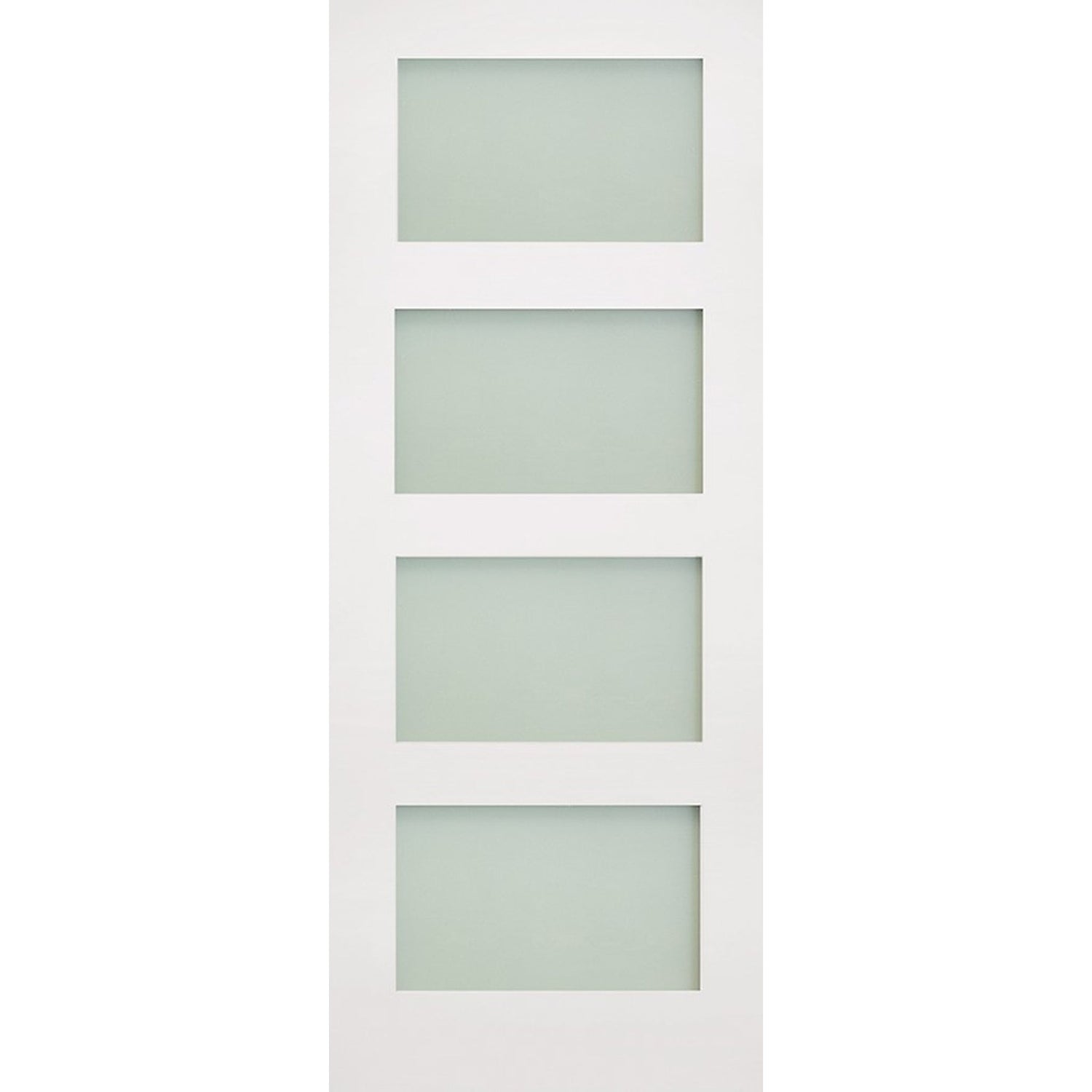

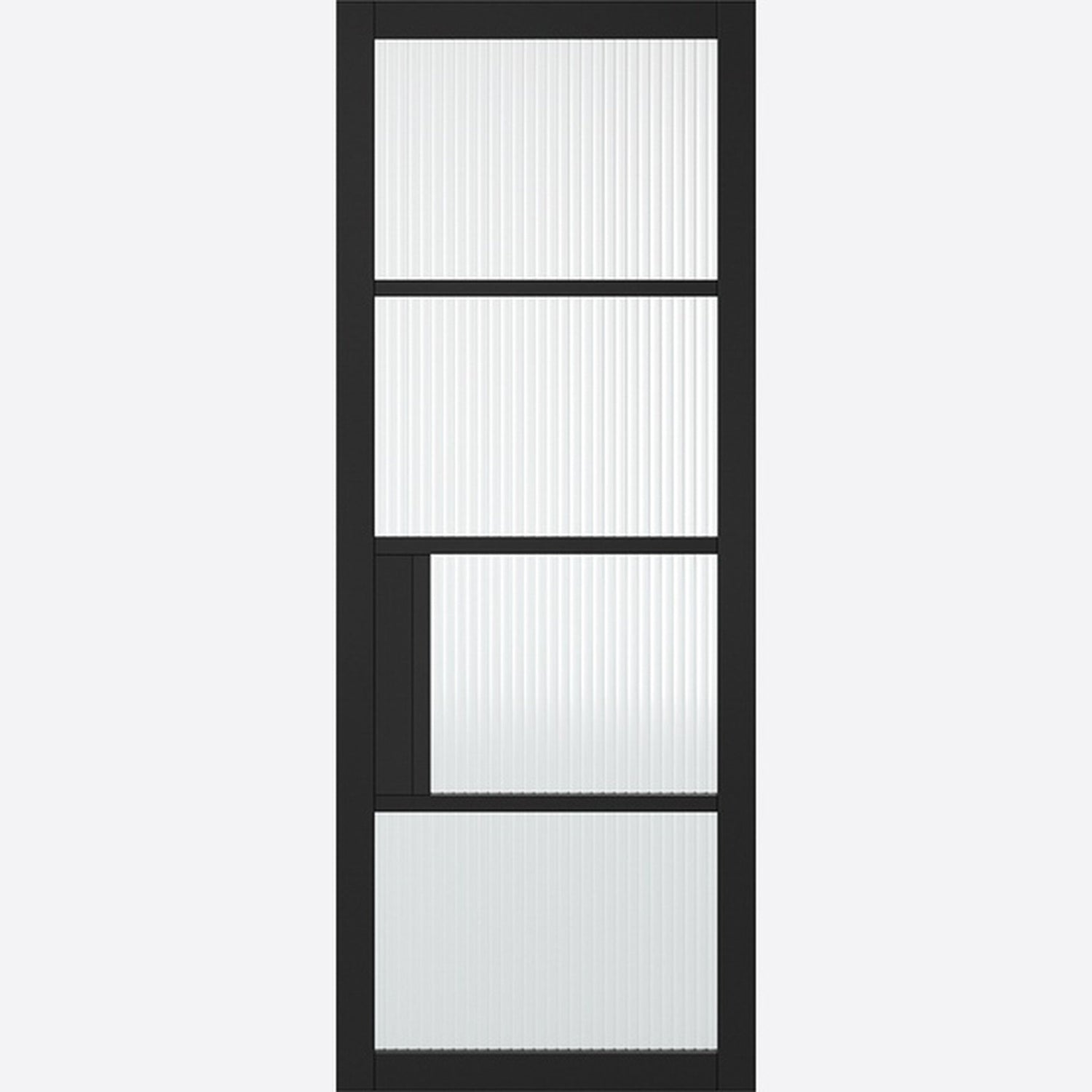
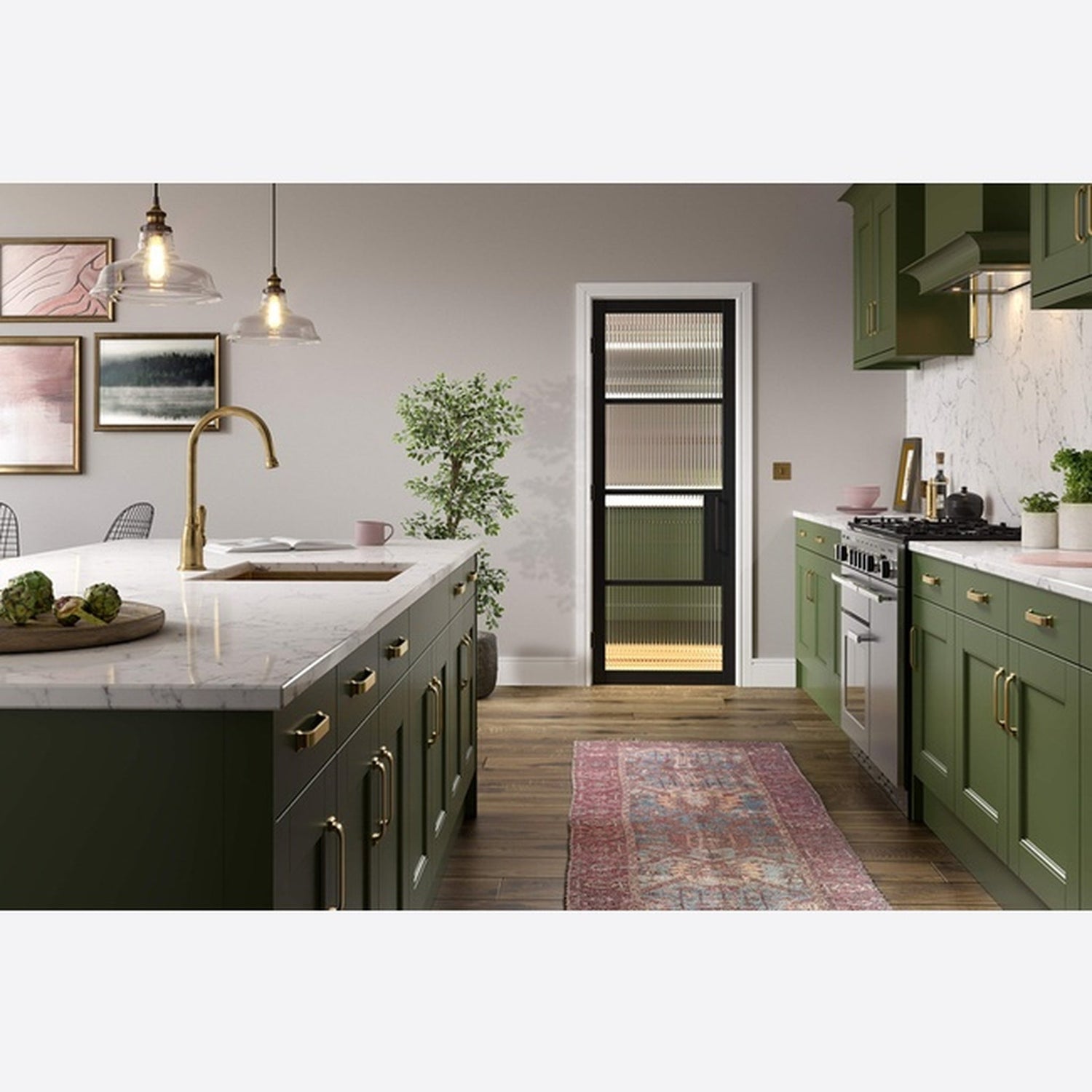
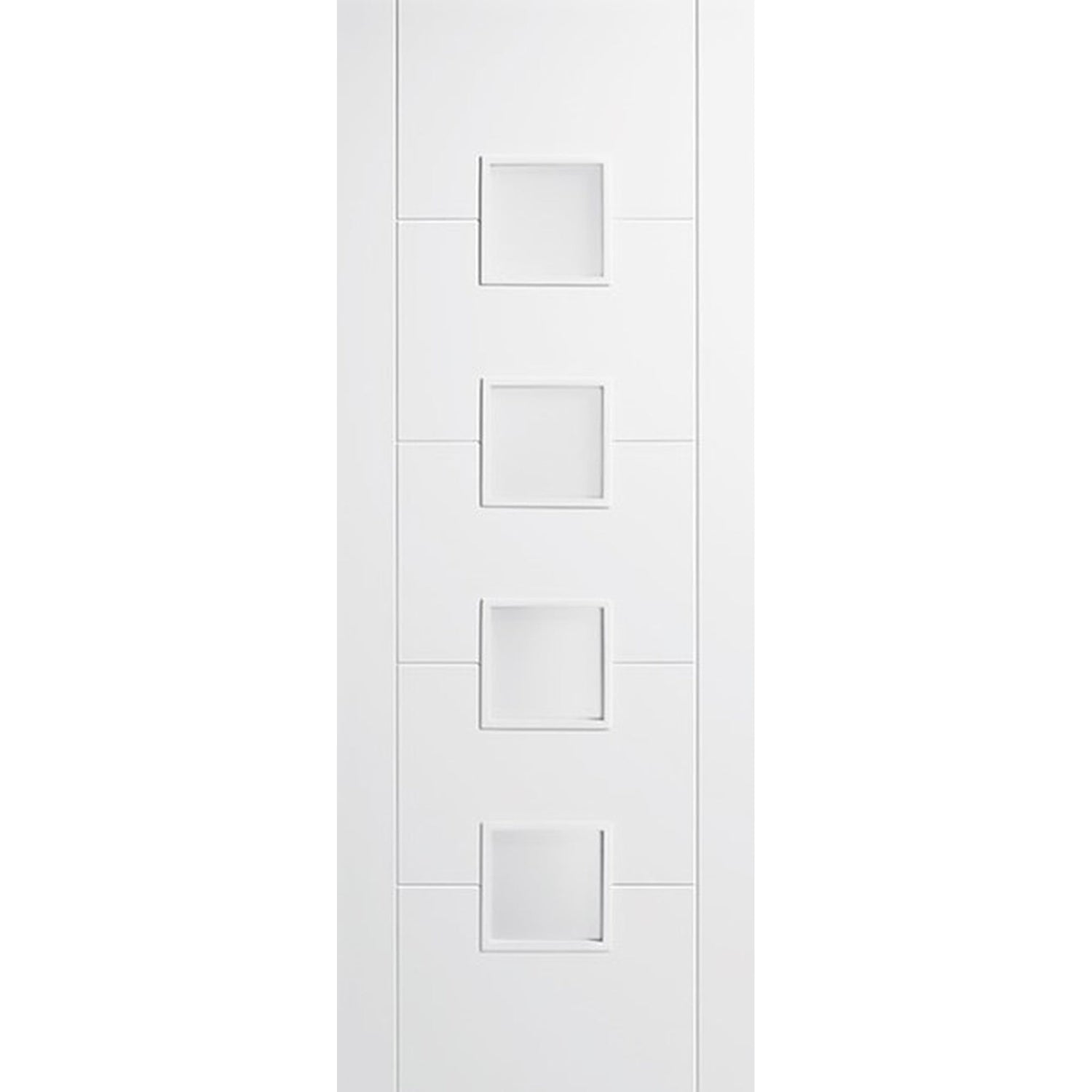
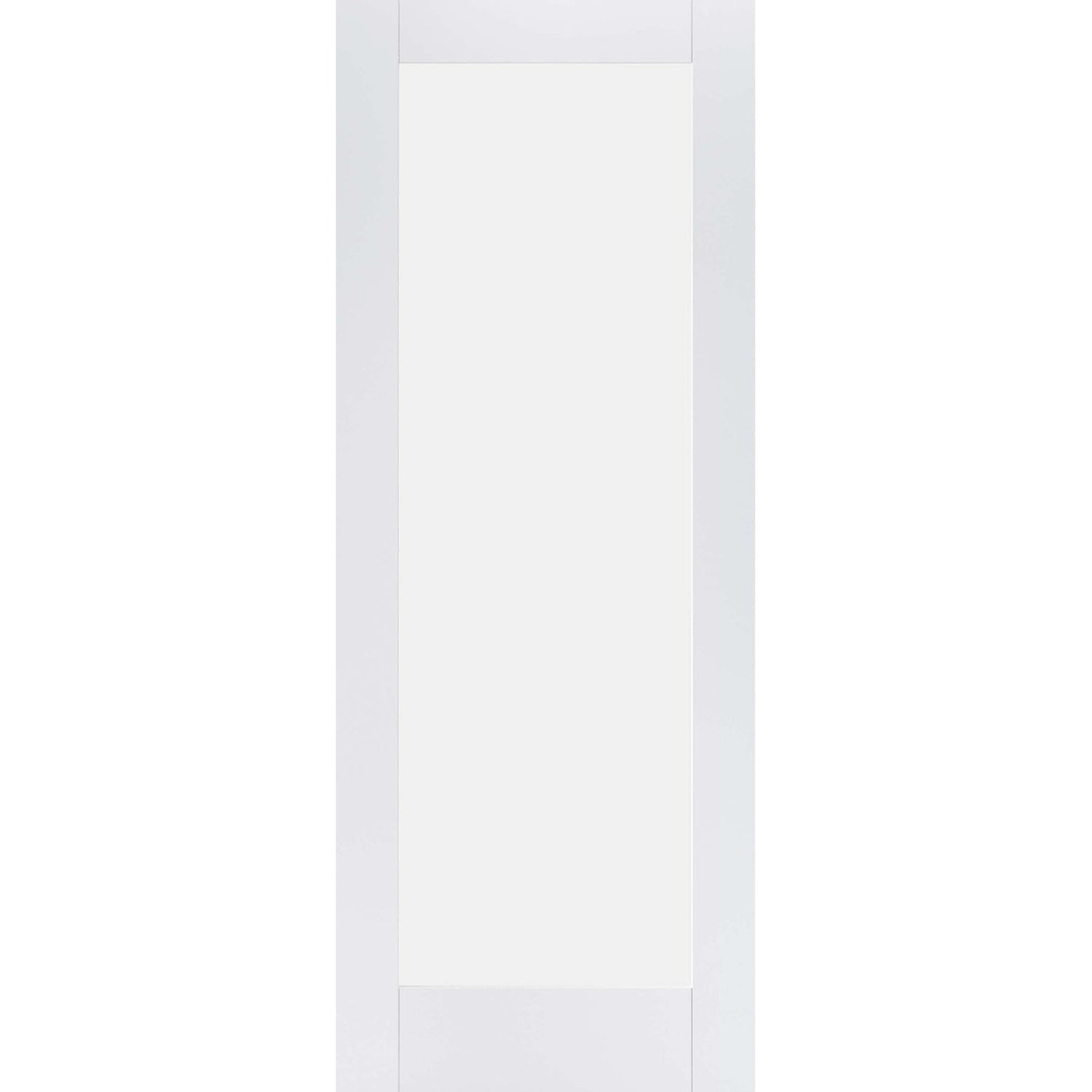


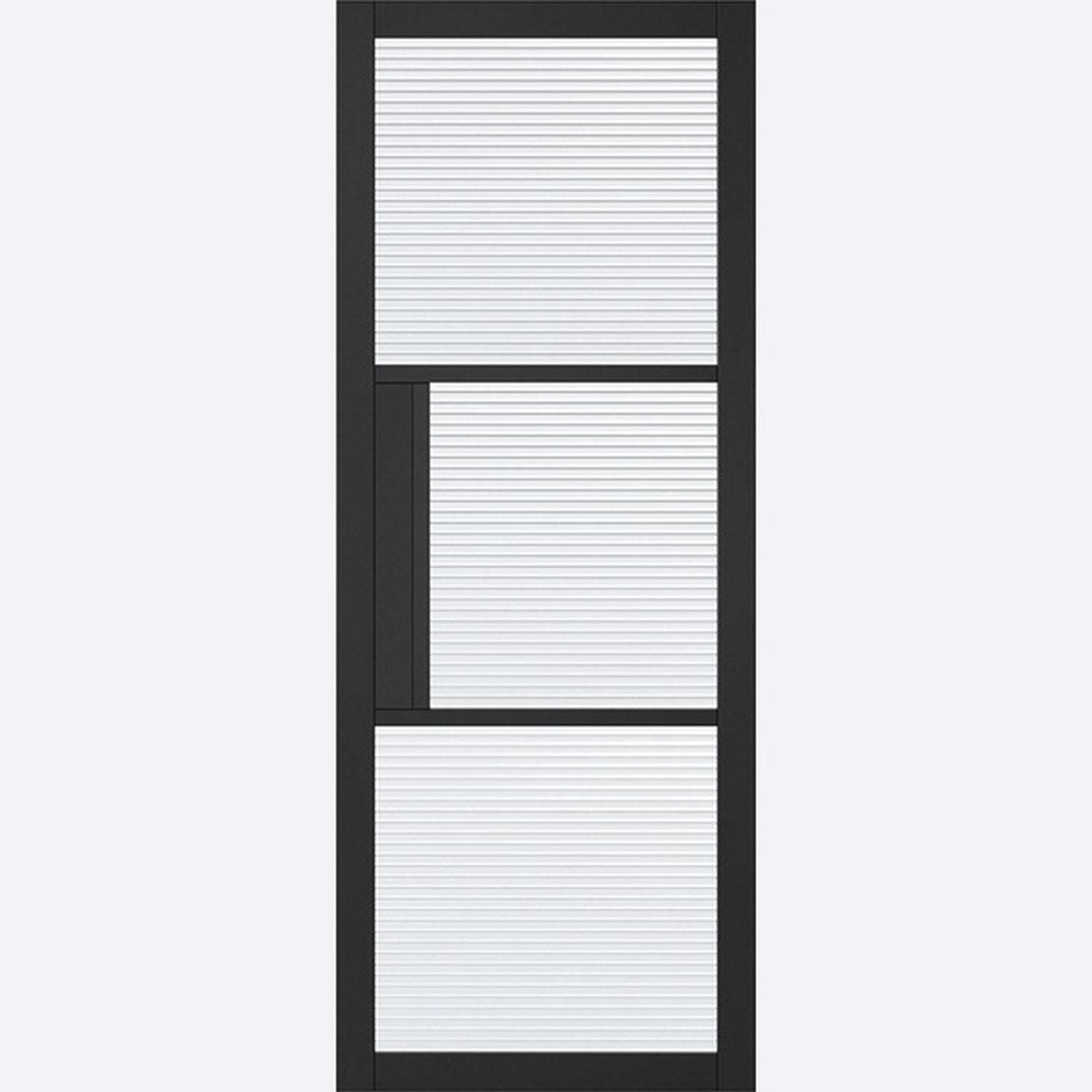
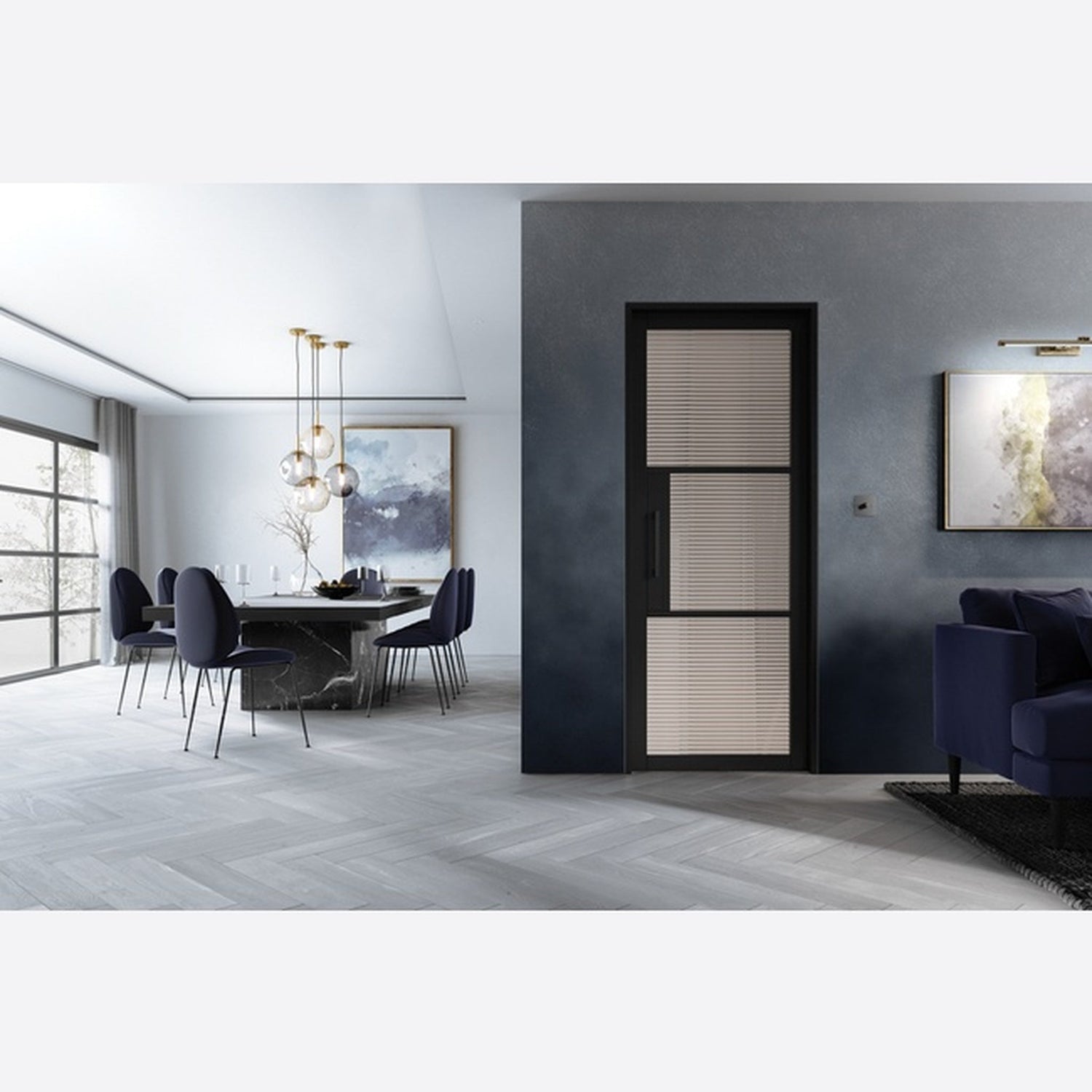

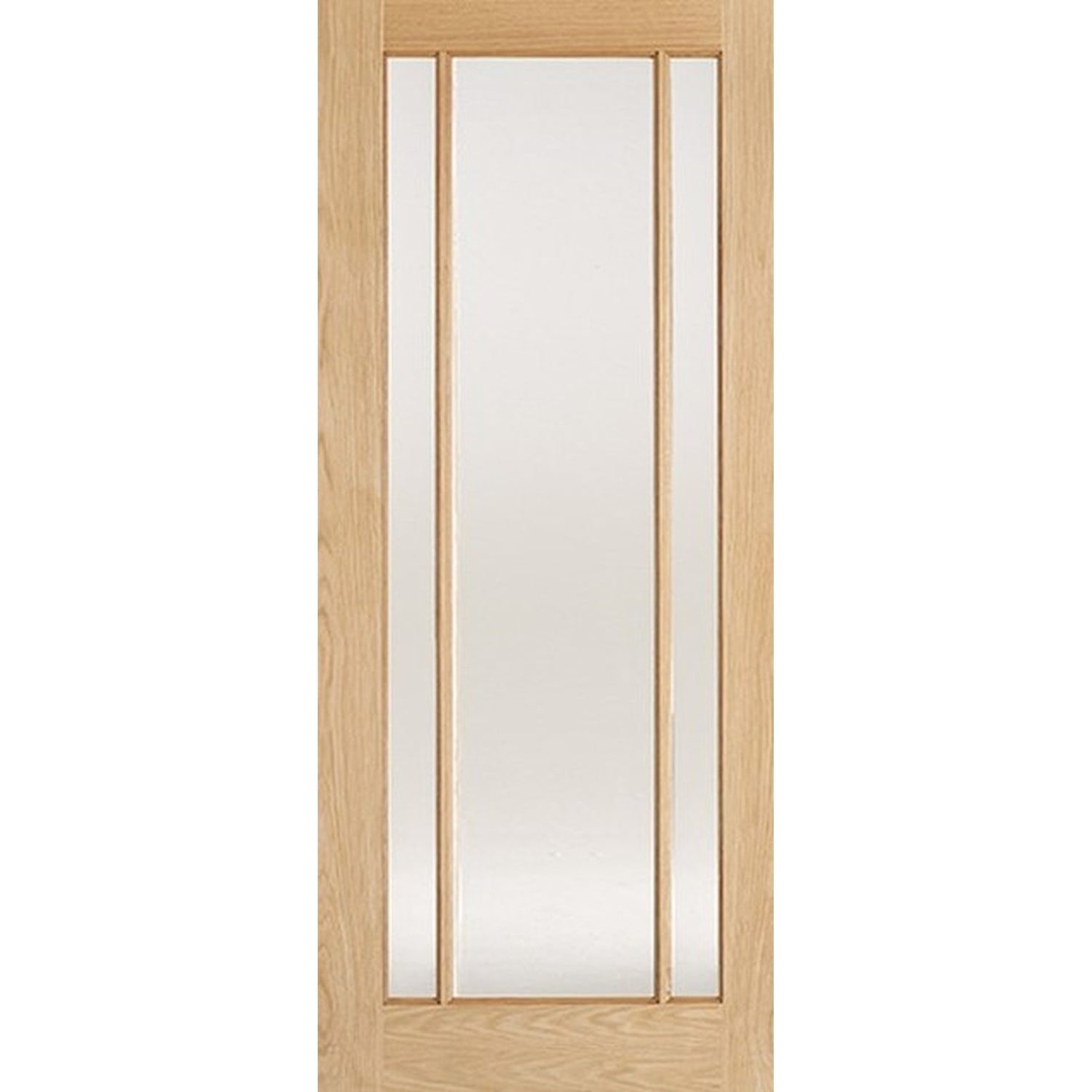


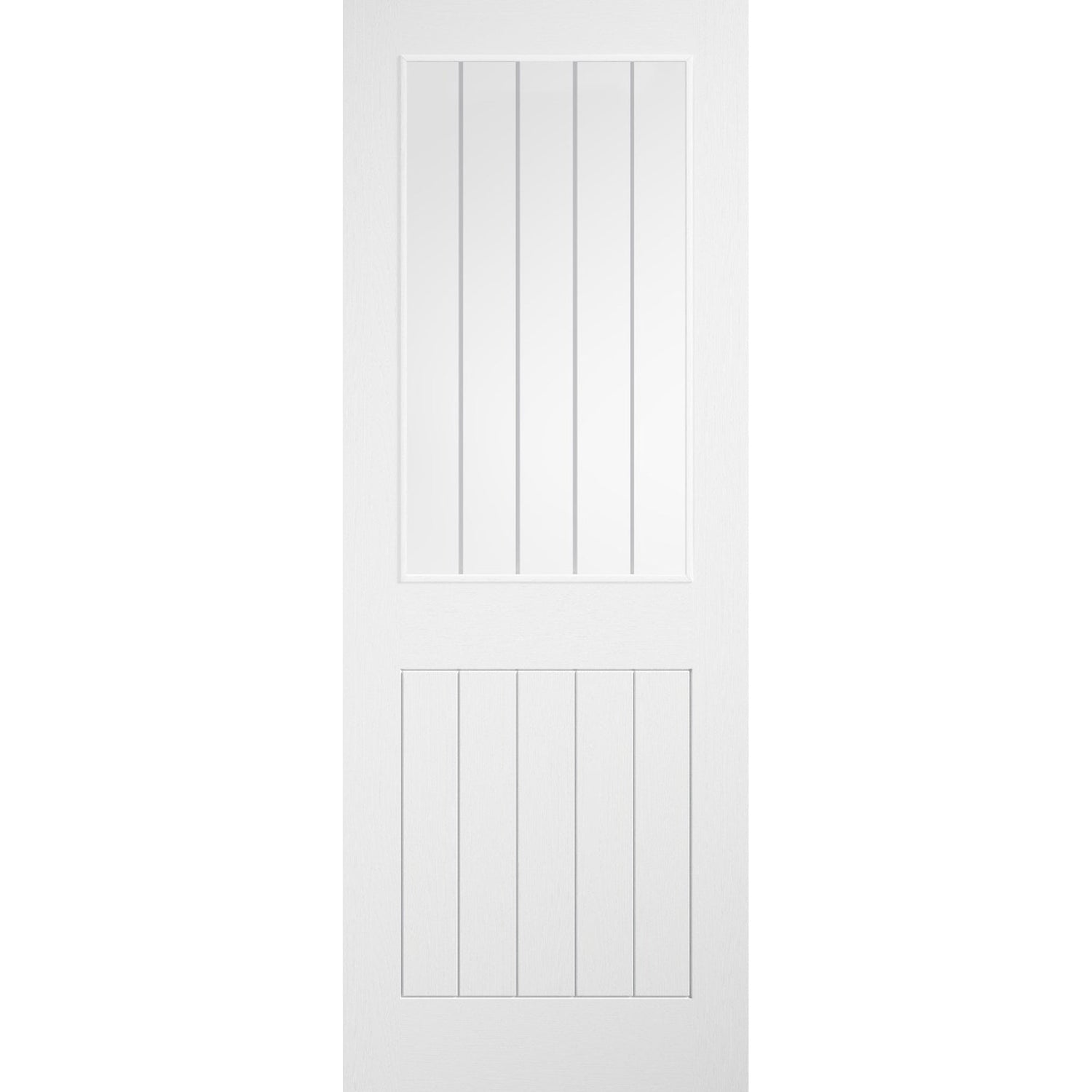


Frosted & Obscure Glazed Doors
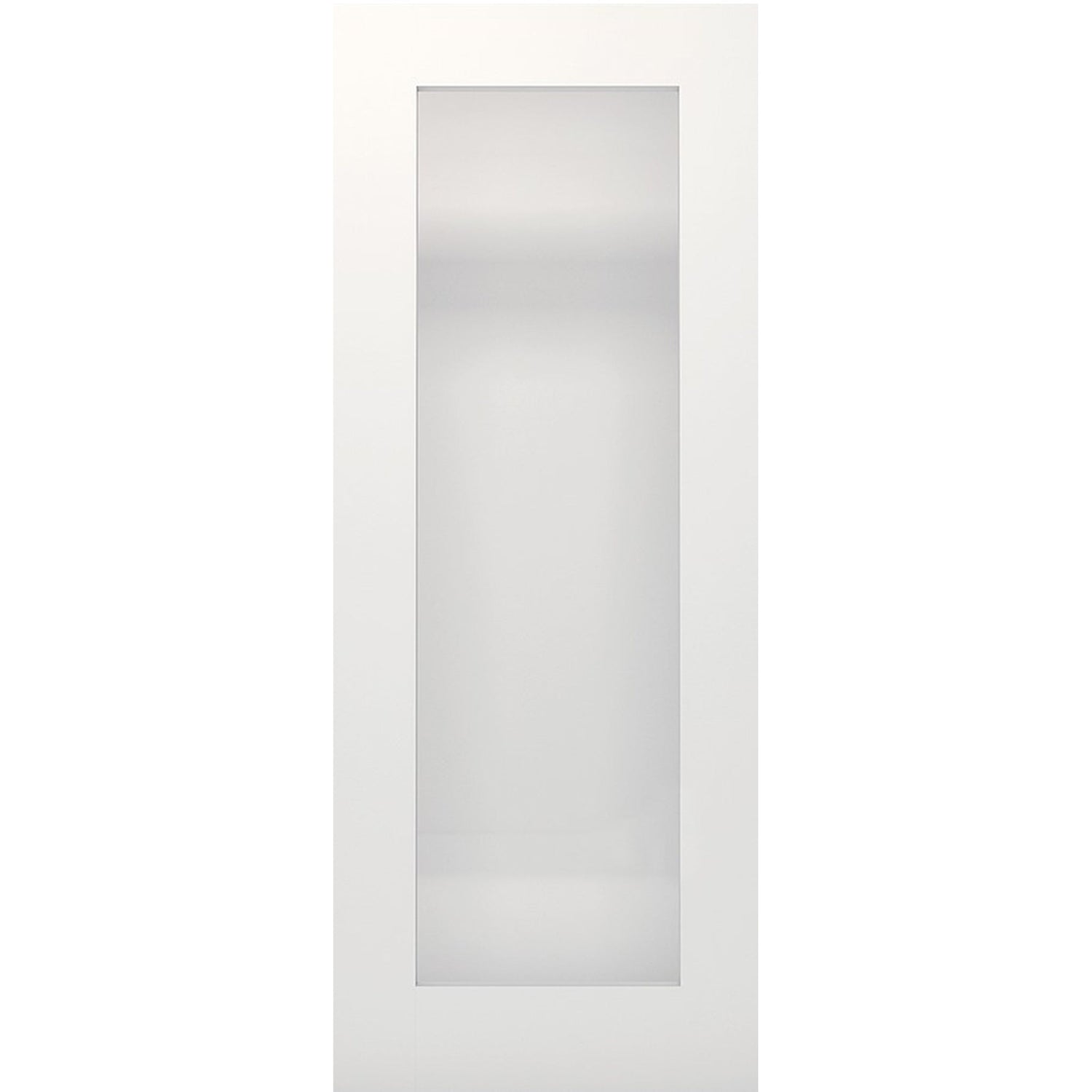
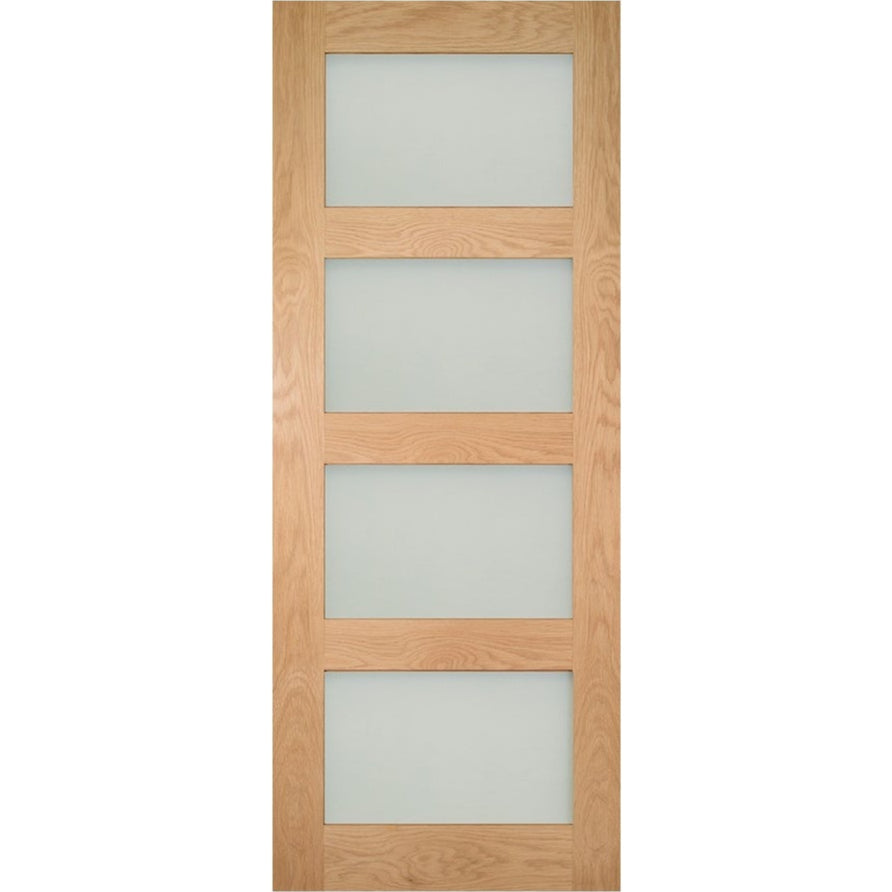
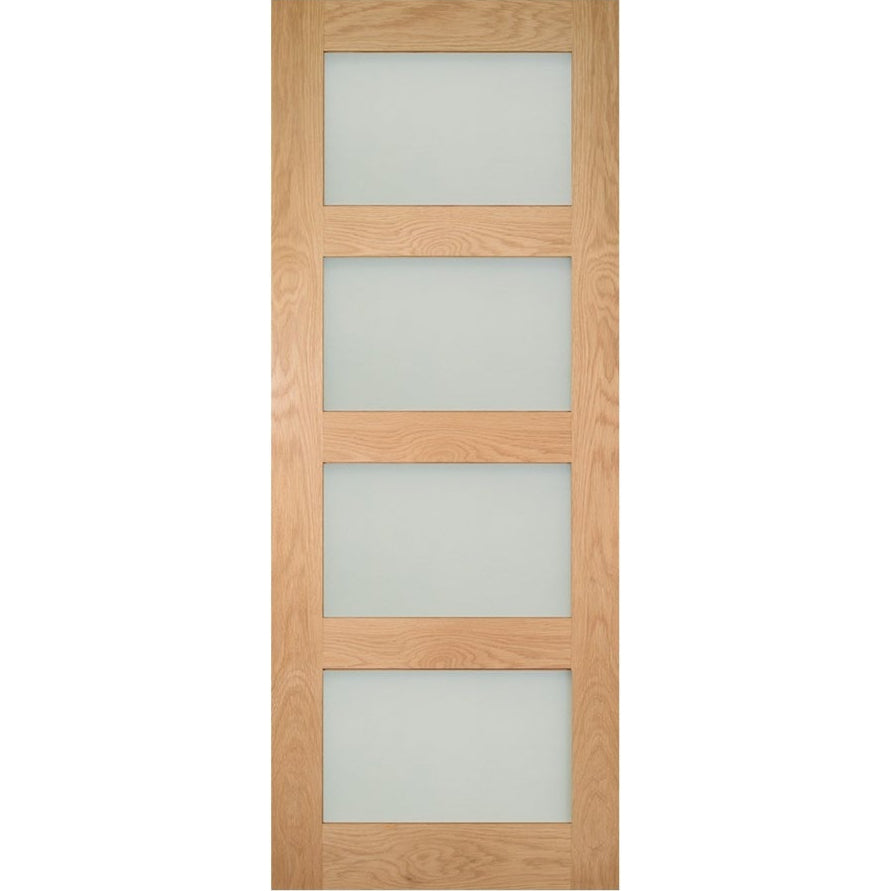
Frosted and obscure glazed doors give you the daylight of a glazed door with the privacy of a solid one, using textured or etched glass that lets light through but blurs what can be seen. That makes them the natural choice for a bathroom, en-suite, study or bedroom, where you want a room to stay bright without being on view from the hallway or landing. This collection brings our frosted and obscure glazed doors together as part of the wider glazed doors range.
Light Without the View
Obscure glass is worked so that it diffuses light rather than passing a clear image, which softens the brightness coming through and hides the detail behind it. The level of obscurity varies between designs, from lightly frosted glass that still lets shapes and movement show to heavily textured or reeded glass for near-complete privacy, so it is worth matching the glass to how private the room needs to be. Either way the door keeps borrowing daylight from the space beyond, which is what makes obscure glazing so useful for internal rooms that have no window of their own.
How Much Glass
How much of the door is glazed changes both the light and the look. A fully glazed door carries obscure glass across most of its face for the softest, most even light, while a half glazed door keeps a solid lower panel that resists knocks and gives a more traditional feel with the frosted glass set in the upper half. Both come in a choice of frame finishes, so you can pick the balance of privacy, light and durability that suits the room.
Prefer a Different Glass?
Obscure glass is not the only option if you like a glazed door but want a different balance of light and view. Clear glazed doors keep a full, open view and the most daylight for rooms that do not need privacy. For a decorative, period feel, bevelled glazed doors add cut-glass detailing while still letting light through. Each keeps the same choice of frames, so only the glass changes.
Finishing the Job
A frosted glazed door works best when the rest of the opening is right. Set it in a matching frame or lining cut to your wall thickness so it hangs flush and swings cleanly, then choose handles and hinges in a finish that suits the frame and the room. In a bathroom or en-suite it is worth picking hardware rated to cope with the damp, warmer air these rooms tend to hold.
FAQs
It depends on the glass. Lightly frosted designs still let shapes and movement show through, while heavily textured, reeded or sandblasted glass gives near-complete privacy. All of them blur the detail behind the door while still letting daylight through, so you can match the level of obscurity to how private the room needs to be.
Yes — they are one of the most popular choices for bathrooms and en-suites because they let the room stay bright while screening it from view. It is worth pairing them with handles and hinges rated for the damp, warmer air a bathroom tends to hold.
The terms overlap and are often used interchangeably. Frosted usually describes a smooth, evenly clouded finish, while obscure covers the wider family of textured and patterned glass — including reeded, sandblasted and acid-etched — that diffuses light and hides the view to varying degrees. Each product page shows the glass a particular door uses.
Yes. The glass is designed to diffuse light rather than block it, so a frosted or obscure door still borrows daylight from the room beyond and keeps an internal space feeling bright. It simply softens that light and hides the detail behind it, which is why it works so well for rooms with no window of their own.
Recently viewed products
Get inspired with @internal.doors