

Showroom - Book a Visit
Free Delivery on Orders Over £800
-
-
0My cart
-
Internal DoorsInternal DoorsInternal Doors By TypeInternal Doors By StyleInternal Doors By MaterialInternal Doors By BrandInternal Doors By RangePopular Doors
-
External DoorsExternal DoorsExternal Doors By TypeExternal Doors By Material
-
Fire DoorsFire DoorsFire Doors By TypeFire Doors By MaterialFire Door HardwarePopular Sizes
-
External Doors
-
Fire DoorsFire DoorsFire Doors By TypeFire Doors By MaterialFire Door HardwarePopular Sizes
-
Bespoke DoorsBespoke DoorsBespoke Doors By TypeBespoke Doors By Material
-
Timber AccessoriesTimber AccessoriesSkirting BoardArchitraveFrames & LiningsWall PanellingTimber Accessories By Material
-
Door FurnitureDoor FurnitureInternal Door HardwareExternal Door HardwareIronmongery Value PacksHardware By Finish
-
Oils, Waxes & PaintsOils, Waxes & PaintsInternal Wood TreatmentsExternal Wood TreatmentsOils And Waxes By Shade:
-

Glazed Doors
Glazed doors bring natural light through your home without losing the separation of a solid door. Explore our full range of internal and external glazed doors — every glass type, frame colour and configuration, for spaces inside and out.
On All Orders Over £800
We Won't Be Beaten On Price
Book an appointment with an expert
Offer of the Week
Weekly wonders: Don't miss out
By Glass Type:
The glass sets the light and privacy in a room — clear for maximum brightness, frosted or obscure for privacy, bevelled for period detail, or a glazed fire door for a certified vision panel.


By Material:
Match your glazed doors to the rest of your home. We've grouped the range by frame finish so you can pick the right colour and material at a glance.


Internal Doors Accessories
Making ourselves a one-stop shop for everything you need for your new internal doors, we've made your job even easier by offering all the necessary accessories that you'll need.
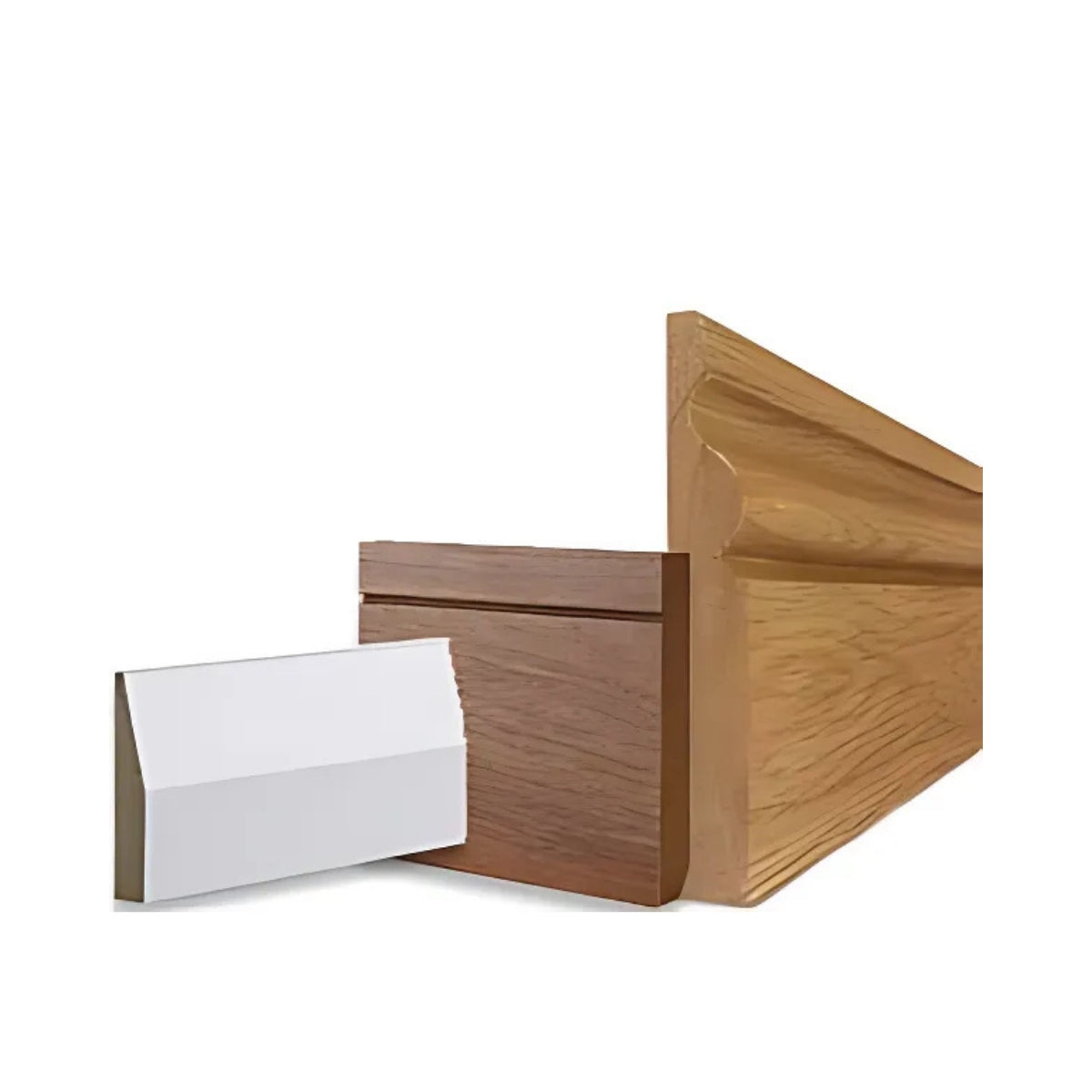
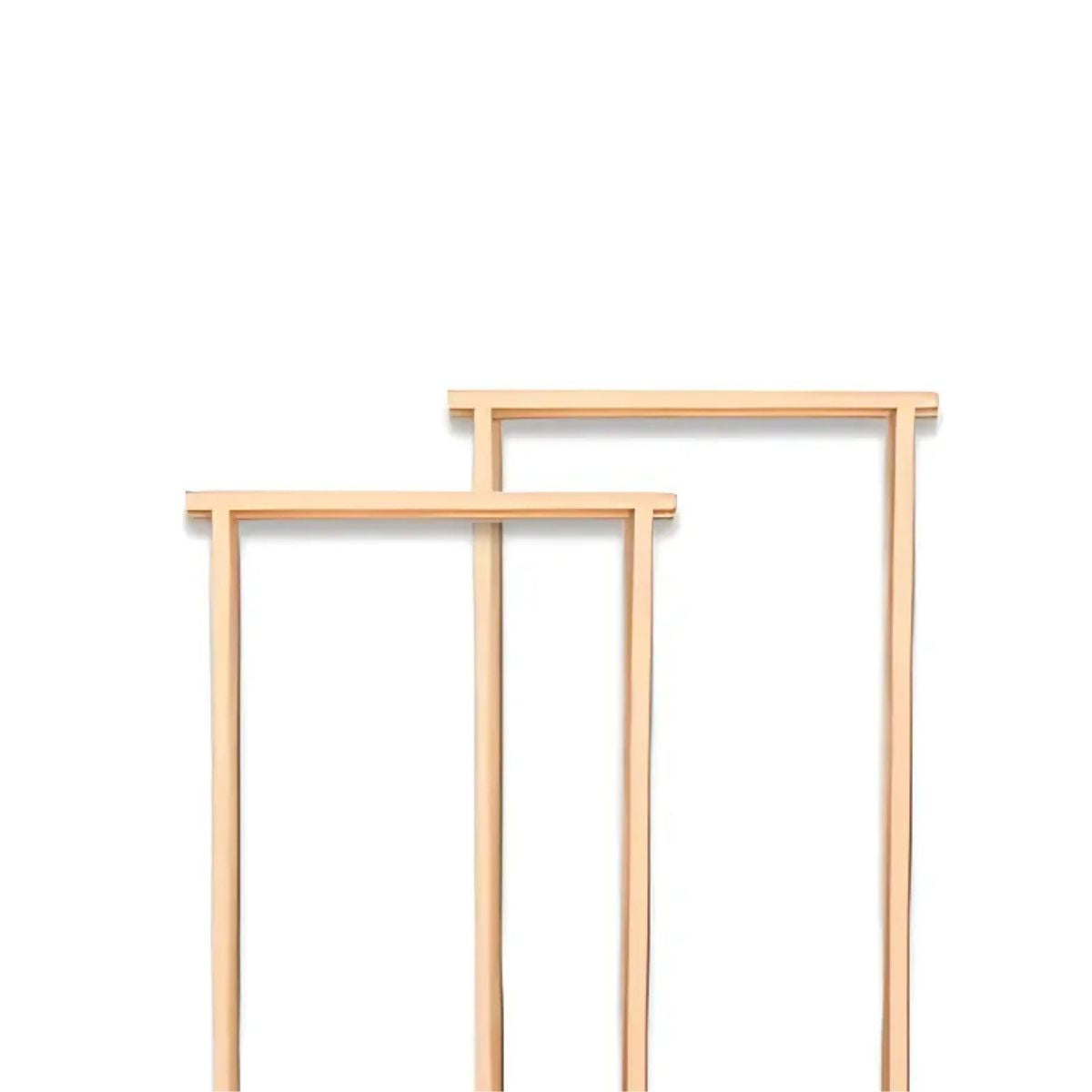
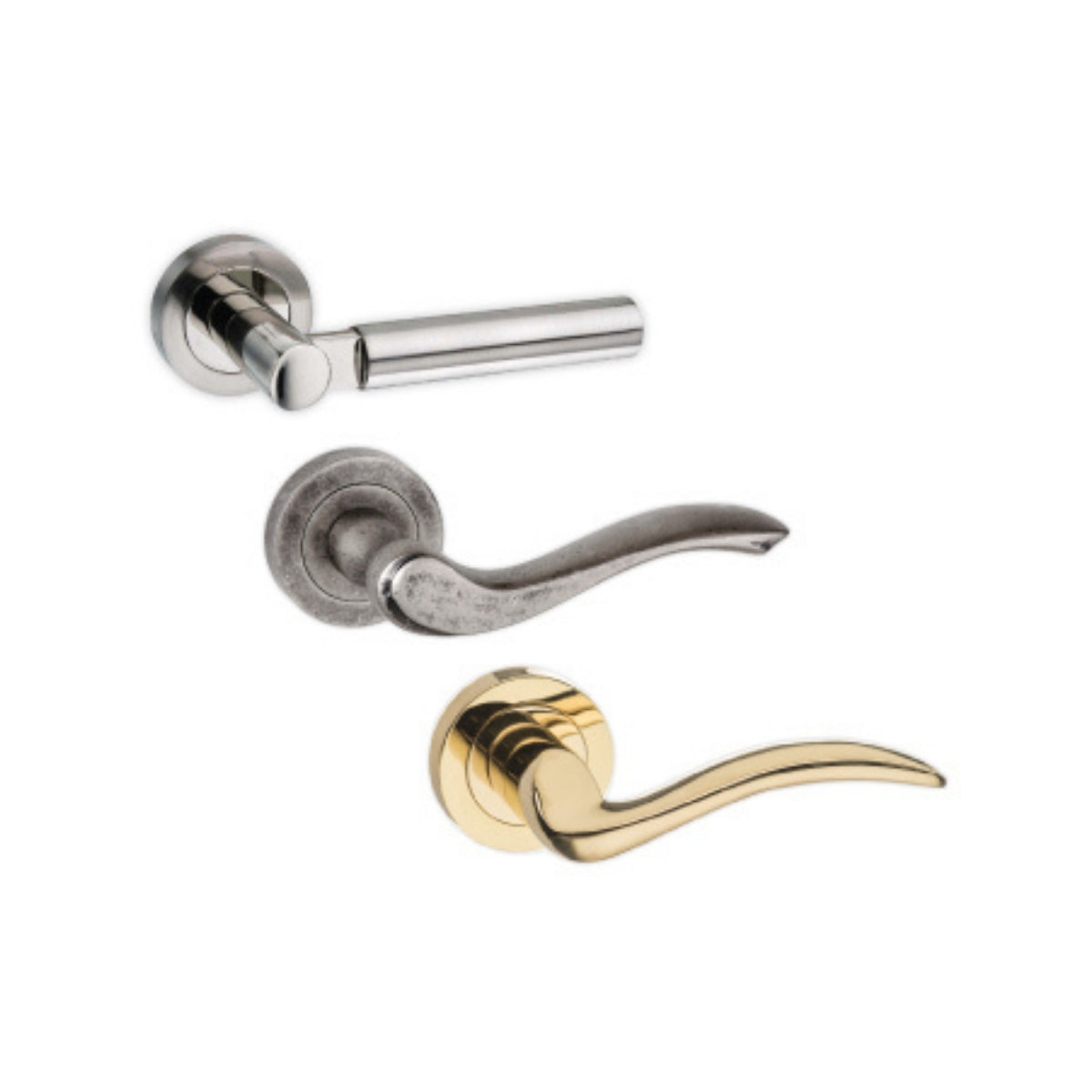
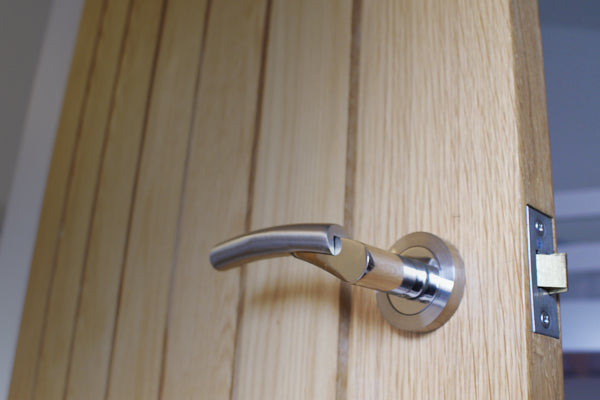
Door Furniture
Select the best hardware to compliment your new doors.
finding the right door furniture is the perfect finishing touch
Shop Now
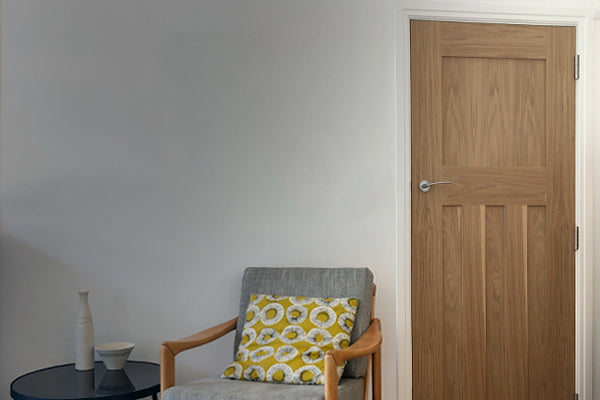
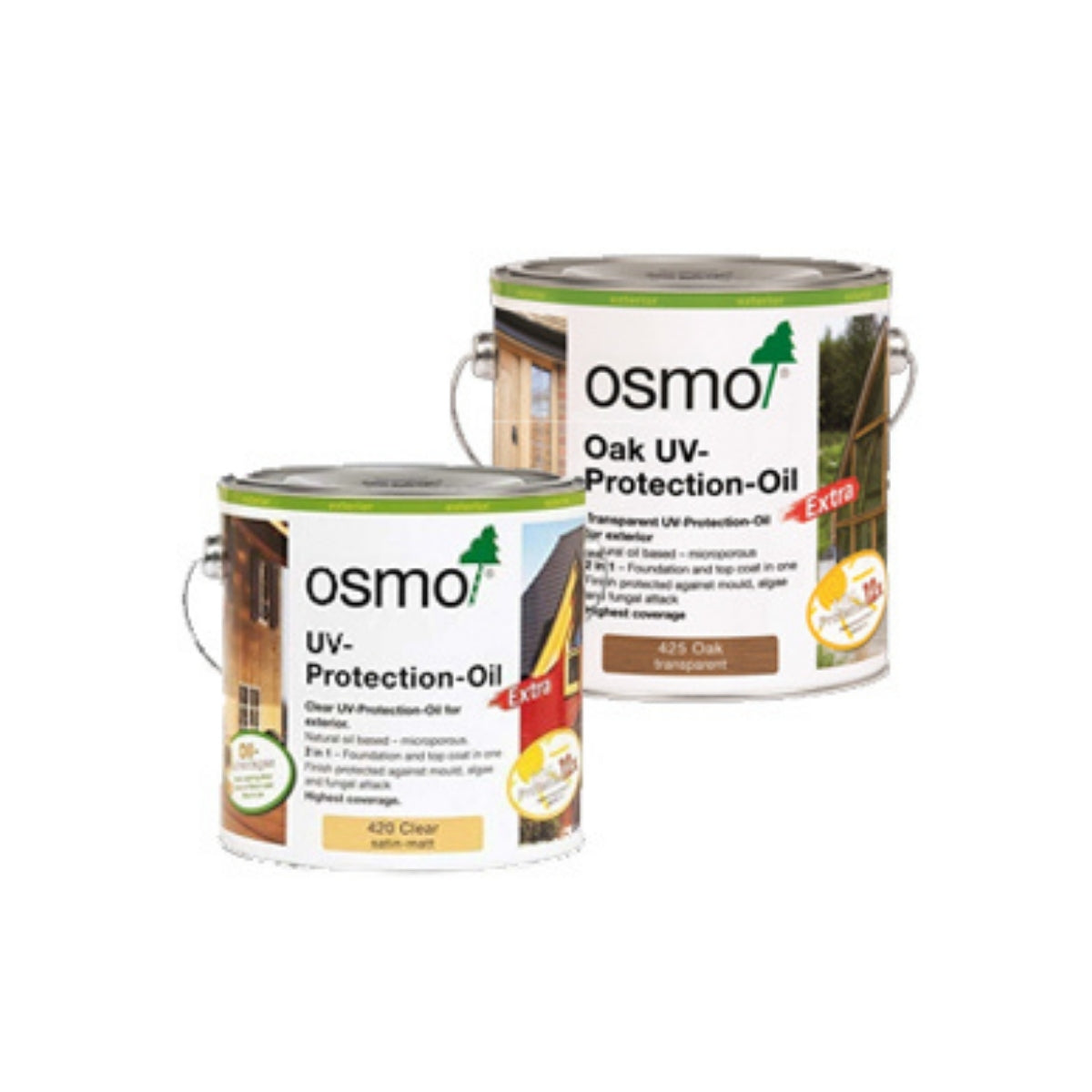
Hardwax Oils
Choose from our recommended finishing products.
the right treatment for your doors will not only enhance them, but protect them for years to come
Shop Now
Bring Natural Light Through Your Home
Glazed doors carry daylight between rooms while keeping the separation of a solid door — the simplest way to brighten a dark hallway, open up a kitchen or frame a garden view. A glass panel lets one room borrow light from the next, so spaces feel larger and more connected without knocking a single wall through. Whatever the opening, there is a glass type, frame colour and configuration to suit it, so you can place light exactly where you need it while keeping the privacy and structure a door is there to give.
Internal and External Glazed Doors
Most of the range is made up of internal glazed doors, built to divide rooms and hallways while light and sightlines flow between them. These are the doors for a landing, a kitchen-diner or a home office, where the job is to share light rather than keep the weather out. For an entrance, porch or garden room, external glazed doors bring the same daylight in a weather-tight, more heavily built frame. As a rule of thumb, internal doors lead on light and style, while external doors add the insulation, weather-sealing and security an outside opening needs.
Choose Your Glass Type
The glass is what sets the light and the privacy in a room, and it is worth matching it to how each space is used. For the brightest, most open feel, clear glazed doors let the most light through and keep a full view between rooms. Where a room needs a little privacy, such as a bathroom, an ensuite or a study, frosted and obscure glazed doors soften the view and blur what is behind them while still passing plenty of daylight. In a period or cottage-style home, bevelled glazed doors add cut-glass detail that catches and scatters the light for a more traditional look. And where the opening is fire-rated, a glazed fire door carries a fire-rated vision panel so you keep both the light and the protection.
How Much Glass You Want
How much of the door is glazed changes both the light it lets in and how it wears. A fully glazed door is mostly glass, so it suits open, contemporary spaces where light matters most and there is little risk of knocks. A half glazed door keeps a solid lower panel that stands up better to everyday use, which makes it a safer choice for busy hallways and family rooms. For wider openings, a pair works better than a single leaf: internal French doors make an elegant statement between a living and dining room, while internal double doors open a room right up and can be closed again when you want the space back.
Choose Your Frame Colour
The frame ties the door to your skirting, flooring and the rest of your doors, so it is worth picking a finish that carries through the home. Oak glazed doors bring natural warmth and grain and suit a traditional or transitional scheme. White glazed doors keep a room feeling bright and clean and work with almost any decor. For something bolder, black glazed doors make a modern, high-contrast statement, especially with slim glazing bars. Grey glazed doors sit in between for a soft, contemporary look, while walnut glazed doors bring a warmer, richer tone. Oak and other wood-veneered doors are finished with oil to protect and feed the grain, while primed and painted frames arrive ready to decorate to your own colour.
Built for Light and Privacy
Every glazed door is made to divide space without shutting out the daylight, and the glazing is specified to match. Toughened or laminated safety glass is fitted where it matters — in bathrooms, in panels close to the floor and in fire-rated openings — so the door is as safe as it is bright. The obscure and frosted options give you privacy without a solid door, letting light travel through the home while each room keeps its own space. It is one of the simplest changes you can make to a dark hallway or a closed-off kitchen, and far less work than opening up a wall.
Finish the Doorway
A door is only as good as the opening it hangs in, so it is worth completing the job properly. Choose the right handles and hinges to match the frame and take the daily use, hang the door in a matching frame or lining sized to your wall thickness, and protect any wood finish with the correct oils and treatments before and after fitting.

Sign Up To Trade Account
Sign up today for a cash or credit account, exclusive discounts
Recently viewed products
Latest in Blog

Exploring Options for Glazed Internal Doors: A Comprehensive Guide
by William Wheat
Created on Jun 10 2025
·
Updated on Jul 28 2026

by William Wheat
Created on Jul 24 2026
·
Updated on Jul 24 2026
CUSTOMER IMAGE GALLERY
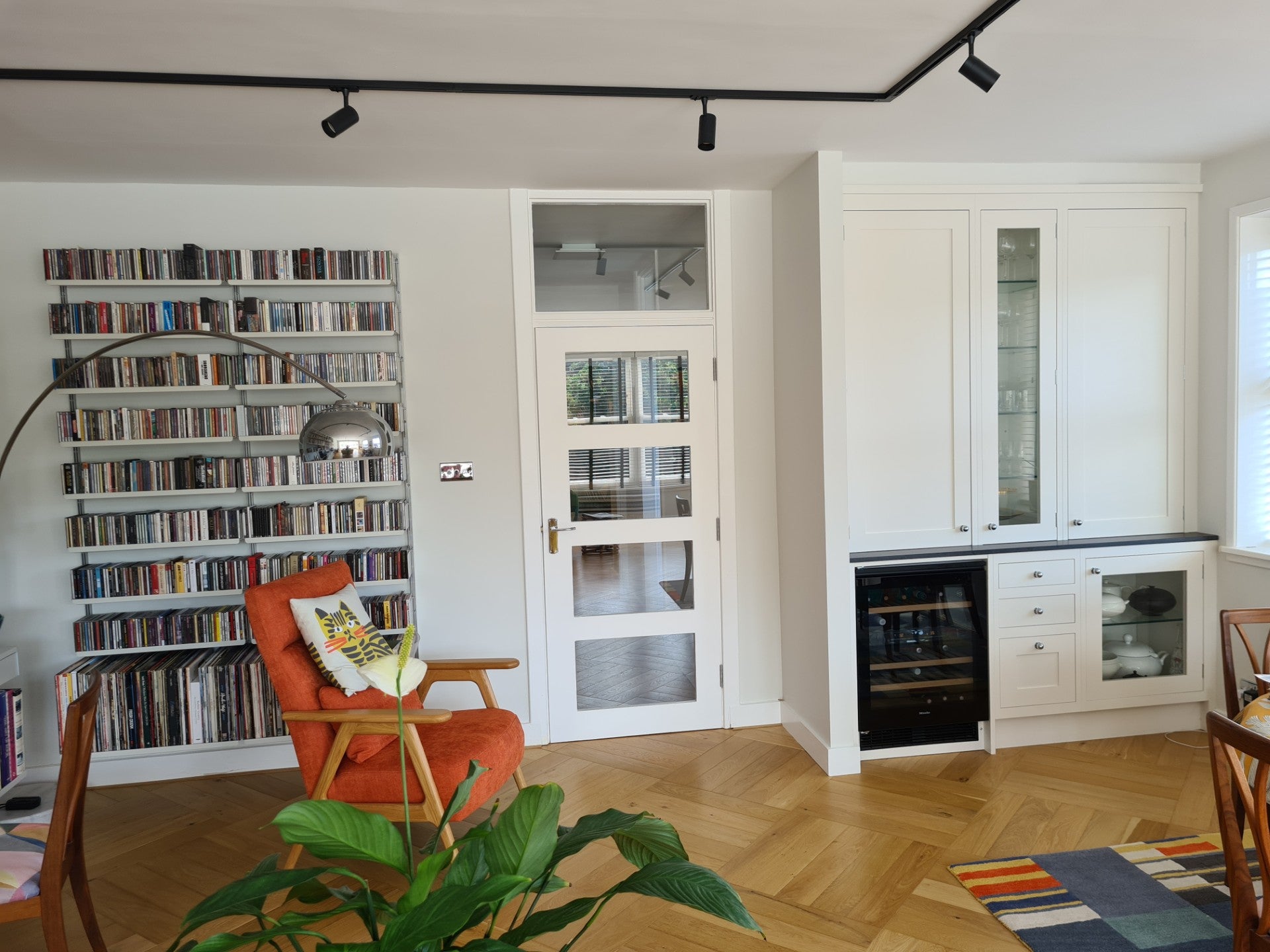
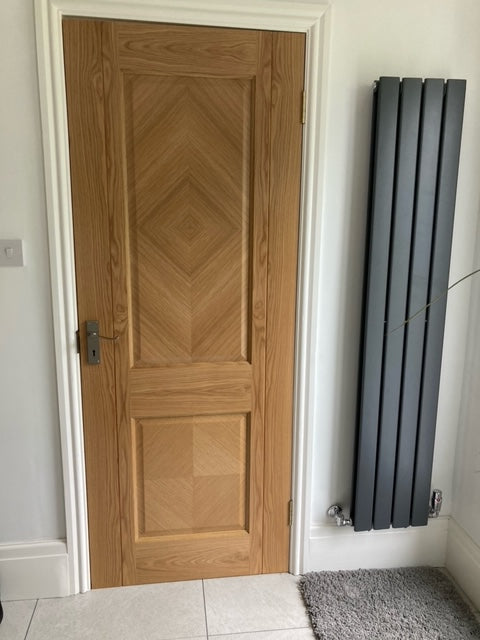
Real oak doors from real people




Subscribe to our emails
Be the first to know about new collections and exclusive offers.
WHY SHOP WITH US
Massive Stocks
Price Match Promise
Premium Door Brands
Expert Advice and Guidance
Phone Support Available Mon-Sat
Free Delivery Over £800
Express and Flexible Delivery Options
Massive Stocks
Price Match Promise
Premium Door Brands
Expert Advice and Guidance
Phone Support Available Mon-Sat
Free Delivery Over £800
Express and Flexible Delivery Options
Company Information