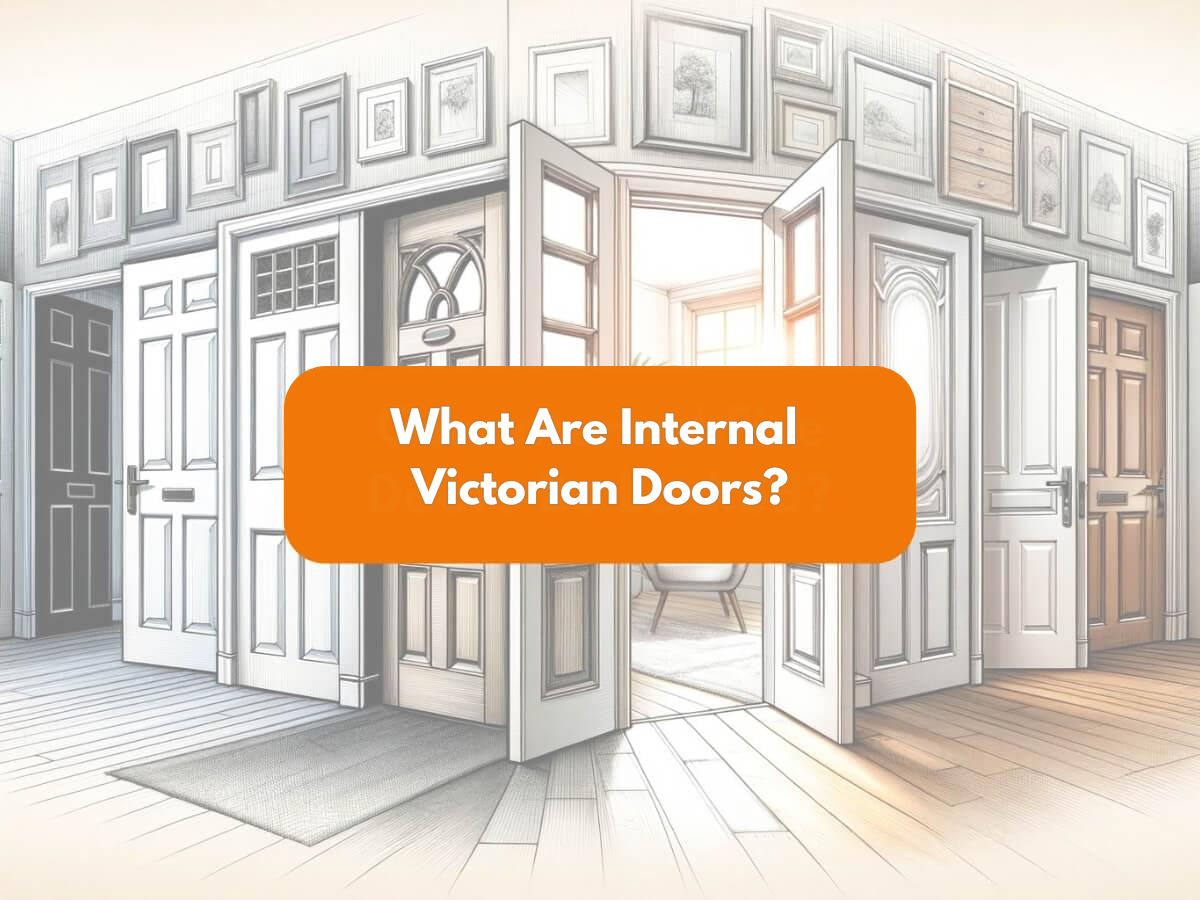
People use "glazed door" and "glass door" as if they mean the same thing, but for internal doors they are two different things. A glazed door is an ordinary door with glass set into it; a glass door is made almost entirely of glass. The difference changes how the door looks, how it fits, and where it works in a home — so it is worth getting straight before you choose.
What is a glazed internal door?
A glazed internal door is a normal internal door — a timber or engineered core with an oak veneer or a painted finish — that has one or more panes of glass set into apertures in the door. The rest of the door is solid; the glass simply replaces part of the panel to let light through. It hangs on standard hinges and takes a standard latch, so it fits an internal doorway exactly like a solid door does.
Because the glass sits within a normal door, you get the full range of door design: shaker, cottage, Victorian and contemporary styles, in oak, white or painted frames, with clear, frosted or reeded glass. The glass itself is toughened or laminated safety glass that meets the relevant British Standards, so it breaks safely. In short, a glazed door gives you a solid, familiar door that also shares daylight between rooms.
What is a "glass door", then?
A true glass door is frameless or nearly frameless — a single panel of glass with no timber frame within the leaf. Think glass office partitions, shower screens, or the occasional all-glass pivot door in an ultra-modern home. It is a different product: it uses specialist patch fittings or pivots rather than ordinary hinges, and it is all about maximum transparency rather than the look and feel of a timber door.
In a home, when someone says "glass door" for a bedroom, hallway or living-room doorway, they almost always mean a glazed door — a timber door with glass in it. A genuine all-glass door is rarely what you want for a standard internal opening.
The practical differences
Side by side, the two come apart quickly:
| Glazed door | Glass door | |
|---|---|---|
| Construction | Glass panes set into a solid timber / engineered door | A single panel of glass, little or no frame |
| Look | Any style — traditional to contemporary | Minimal, modern, transparent |
| Privacy | Clear, frosted or reeded glass to suit the room | Usually clear unless filmed or etched |
| Fitting | Standard hinges and latch, like any internal door | Specialist glass fixings or a pivot |
| Best for | Any internal doorway that needs light | Modern partitions, utility and wet areas |
For nearly every room in a home, the glazed door is the practical choice: it borrows light like a glass door but keeps the solidity, the style options and the simple fitting of a normal door.
Choosing the glass and how much of it
Once you have settled on a glazed door, two choices shape it. The first is the glass: clear glazed doors pass the most light and keep the view for living areas and hallways, while frosted and obscure glazed doors let light through but blur what is behind them for bathrooms and studies; reeded glass sits in between with a rippled, on-trend texture. The second is how much glass: a fully glazed door is mostly glass for the brightest feel, while a half-glazed door keeps a solid lower panel that stands up better to a busy hallway.

A word on insulation
One common mix-up is worth clearing up: internal glazed doors are not double glazed. They use a single pane of safety glass, because their job is to share light and divide space inside a home, not to insulate against the weather. Sealed double-glazed units, argon gas and low-emissivity coatings belong to external doors and windows, where they keep heat in. Choose an internal glazed door for light, privacy and style — not for thermal performance.
Frequently Asked Questions
Is a glazed door made of glass?
No. A glazed door is a normal internal door with one or more panes of glass set into it — the rest of the door is solid timber or an engineered core. A door made almost entirely of glass is a separate product, usually a frameless glass partition or shower door.
Are internal glazed doors double glazed?
No. Internal glazed doors use a single pane of toughened or laminated safety glass. They are designed to share light between rooms, not to insulate against the weather — sealed double glazing is a job for external doors and windows.
Is the glass in an internal door safe?
It should be. Glazed internal doors use toughened or laminated safety glass that meets the relevant British Standards, so it breaks safely rather than into sharp shards. Always check a door meets the standard before buying.
Can you see through a glazed internal door?
It depends on the glass. Clear glass keeps a full view, while frosted, obscure or reeded glass lets light through but blurs what is behind it — so rooms like bathrooms and studies stay private.
What is the difference between a glazed door and a French door?
A French door is a pair of mostly-glazed doors hung together to open from the middle, so French doors are really one type of glazed door. A single glazed door is just one leaf with glass set into it.
Which should you choose?
For almost any internal doorway, a glazed door gives you the best of both: the daylight of glass with the style, solidity and easy fitting of a proper door. Browse the full range of internal glazed doors to see every glass type, panel layout and frame finish in one place, and find the one that suits your home.
Related reads
| Exploring Options for Glazed Internal Doors: A Comprehensive Guide |
| Maximise Light In The Home With Glazed Doors |
| Does a glass panel door offer the same privacy as solid doors? |