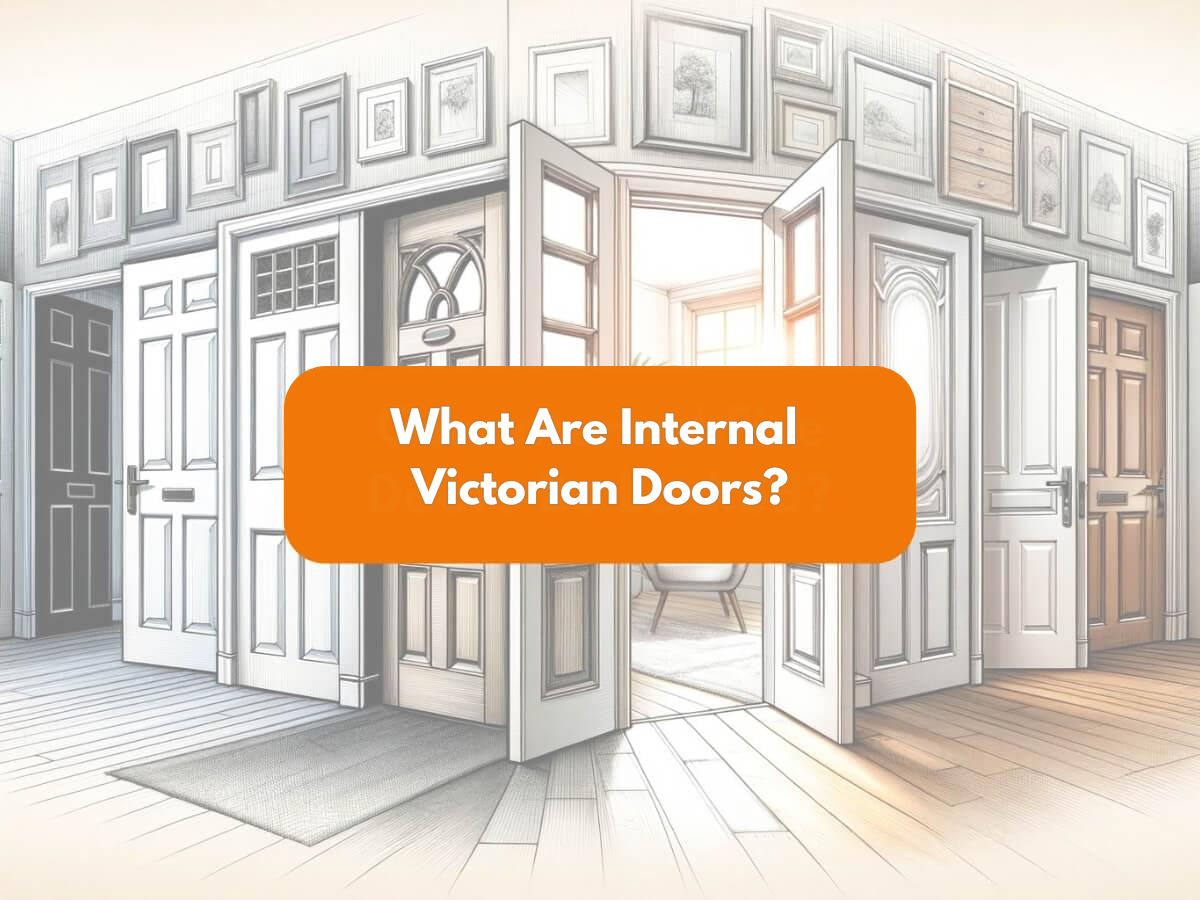
A glazed door does one thing a solid door never can: it lets daylight travel. Put a glazed internal door between a bright room and a dark one and the light simply carries through the glass — no rewiring, no building work, just glass where there used to be timber. If a hallway, landing or box room in your home always feels gloomy, the right glazed door is one of the simplest ways to fix it. Here is how to get the most light from one.
Why a glazed door brightens the room next to it
Most internal walls and solid doors block daylight completely, so a room with no window of its own stays dark however sunny it is next door. A glazed door turns that solid barrier into a window between the two spaces, letting the brighter room share its light with the darker one. The effect is biggest exactly where you need it — a windowless hallway borrowing light from the living room, a landing lit through a bedroom door, a small study opening onto a sunny kitchen.
How much glass: the more glazing, the more light
The amount of glass in the door is the single biggest factor. As a rule, the more glazing, the more light it passes — balanced against how much the door has to cope with everyday knocks.
| Style | What it is | Light |
|---|---|---|
| Fully glazed | Glass across most of the door | The most — brightest, most open feel |
| Half glazed | Glazed top, solid lower panel | Plenty, with a hard-wearing base for busy rooms |
| Part / panel glazed | Glazed panels set into a panelled door | Good, with more structure and a traditional look |
For the brightest result, look at fully glazed internal doors, where the glass runs almost the full height of the door. Where a door takes a lot of traffic — a family hallway, a back kitchen — a half-glazed design still borrows plenty of light while giving you a solid lower panel that shrugs off bags and paws.
Which glass lets in the most light
The type of glass decides how much light comes through and how much you can see. For daylight alone, clear glass wins; where a room needs privacy, you trade a little brightness for it.
| Glass | Light | Privacy |
|---|---|---|
| Clear | Maximum — full, uninterrupted daylight | Low |
| Frosted / obscure | Plenty, softened and diffused | High |
| Reeded / fluted | Good, with a rippled texture | Medium |
In spaces where you want maximum brightness and do not need to screen the view — hallways, landings, living and dining rooms — clear glazed internal doors make the most of every bit of daylight. Save frosted and obscure glass for bathrooms and studies, where it still passes light but blurs what is behind it.
Where glazed doors add the most light
Glazed doors earn their place most in the rooms and passageways that have little or no natural light of their own. A few that make the biggest difference:
| Space | Why a glazed door helps |
|---|---|
| Hallway / landing | Usually windowless — borrows daylight from the rooms either side |
| Kitchen-diner | Keeps a broken-plan layout feeling open and connected |
| Home office / study | Brings in light while a glazed-but-closed door keeps the noise down |
| Small or internal rooms | Shares light from a brighter neighbour so they feel less boxed-in |

Small changes that help the light go further
A glazed door does the heavy lifting, but a few simple touches make the most of the light it lets through. Keep the wall opposite the door pale so it bounces light back into the room; a mirror on that wall does the same job and doubles the effect. Choose lighter flooring and skirting near the door, keep sightlines between rooms clear rather than blocked by tall furniture, and — the easiest of all — keep the glass clean, since a filmy pane quietly steals brightness you have paid for.
Frequently Asked Questions
Do glazed internal doors really make a room brighter?
Yes. A glazed door lets daylight pass from a brighter room into a darker one, so a windowless hallway or landing borrows light it could never get through a solid door. The more glass, and the clearer it is, the bigger the effect.
Which glazed door lets in the most light?
A fully glazed door with clear glass. The glazing runs almost the full height of the door and clear glass keeps the view, so it passes the most daylight of any style. Half-glazed and part-glazed doors let in less but stand up better to everyday knocks.
Do glazed internal doors give any privacy?
It depends on the glass. Clear glass keeps a full view, while frosted, obscure or reeded glass still lets light through but blurs what is behind it — so bathrooms and studies stay private without going dark.
Is the glass in an internal door safe?
It should be. Glazed internal doors use toughened or laminated safety glass that meets the relevant British Standards, so it breaks safely rather than into sharp shards. Always check a door meets the standard before buying.
Can I fit a glazed door where there is no window?
Yes — that is exactly where a glazed door helps most. With no window of its own, a hallway or internal room relies on borrowed light, and a glazed door pulls it in from the brighter space next door.
Bring more daylight in
Once you know how much glass you want and which type suits each room, the rest is choosing a style you love. Browse the full range of internal glazed doors to see clear, frosted and reeded glass across oak, white and painted frames — and let a little more daylight into the darker corners of your home.
Related reads
| Exploring Options for Glazed Internal Doors: A Comprehensive Guide |
| Does a glass panel door offer the same privacy as solid doors? |
| Do I Need Safety Glazing in my Internal Doors? |