Showroom - Book a Visit

Sort by:


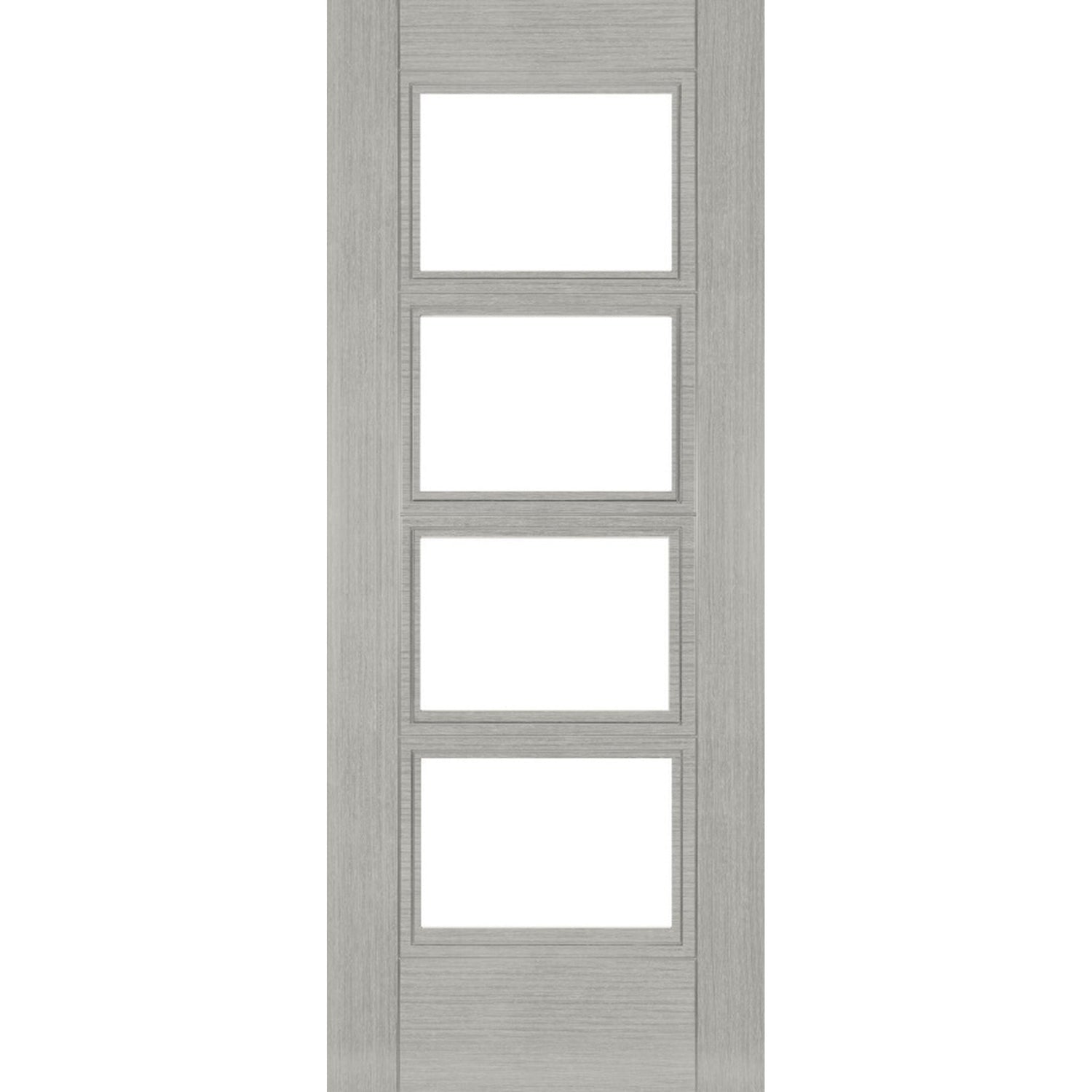

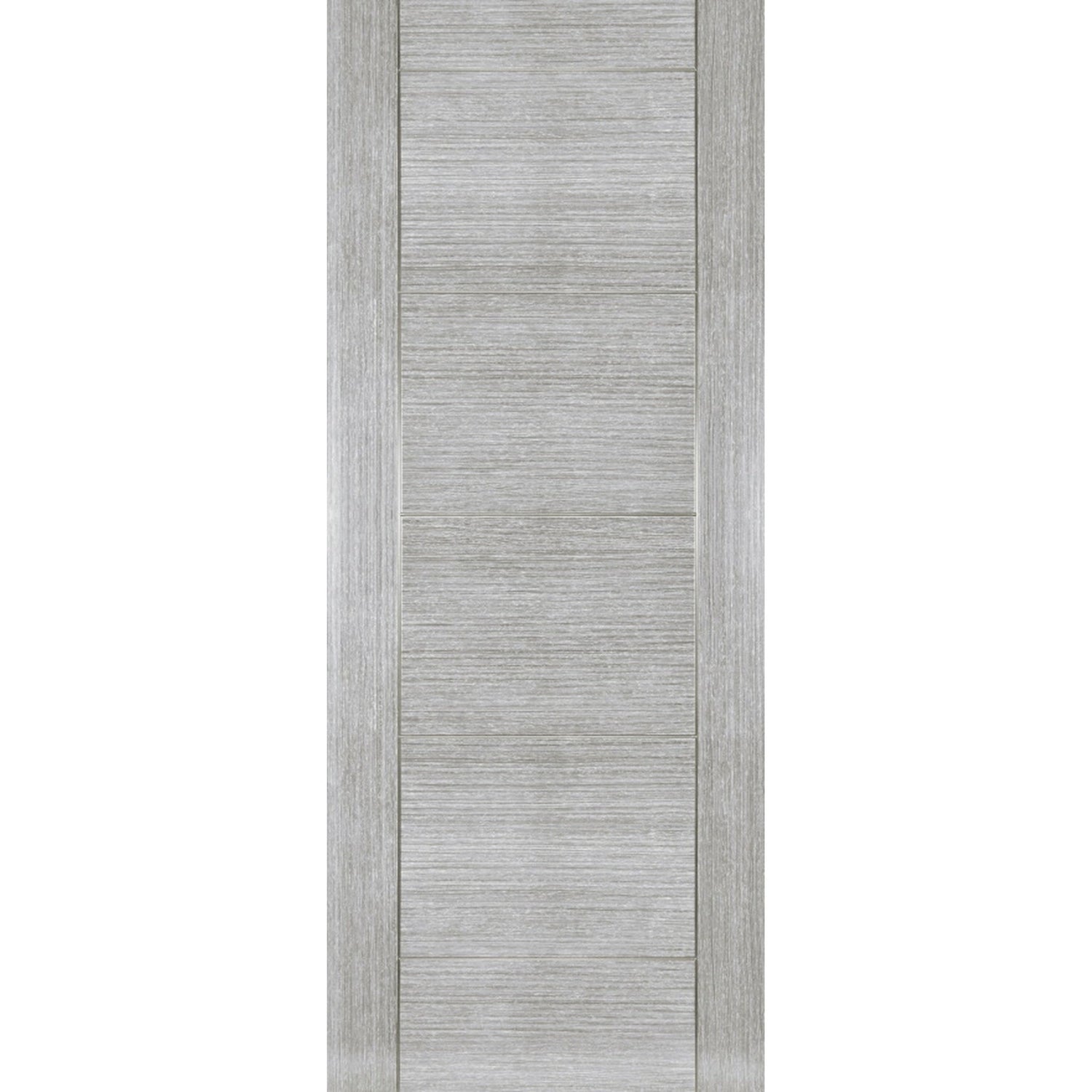


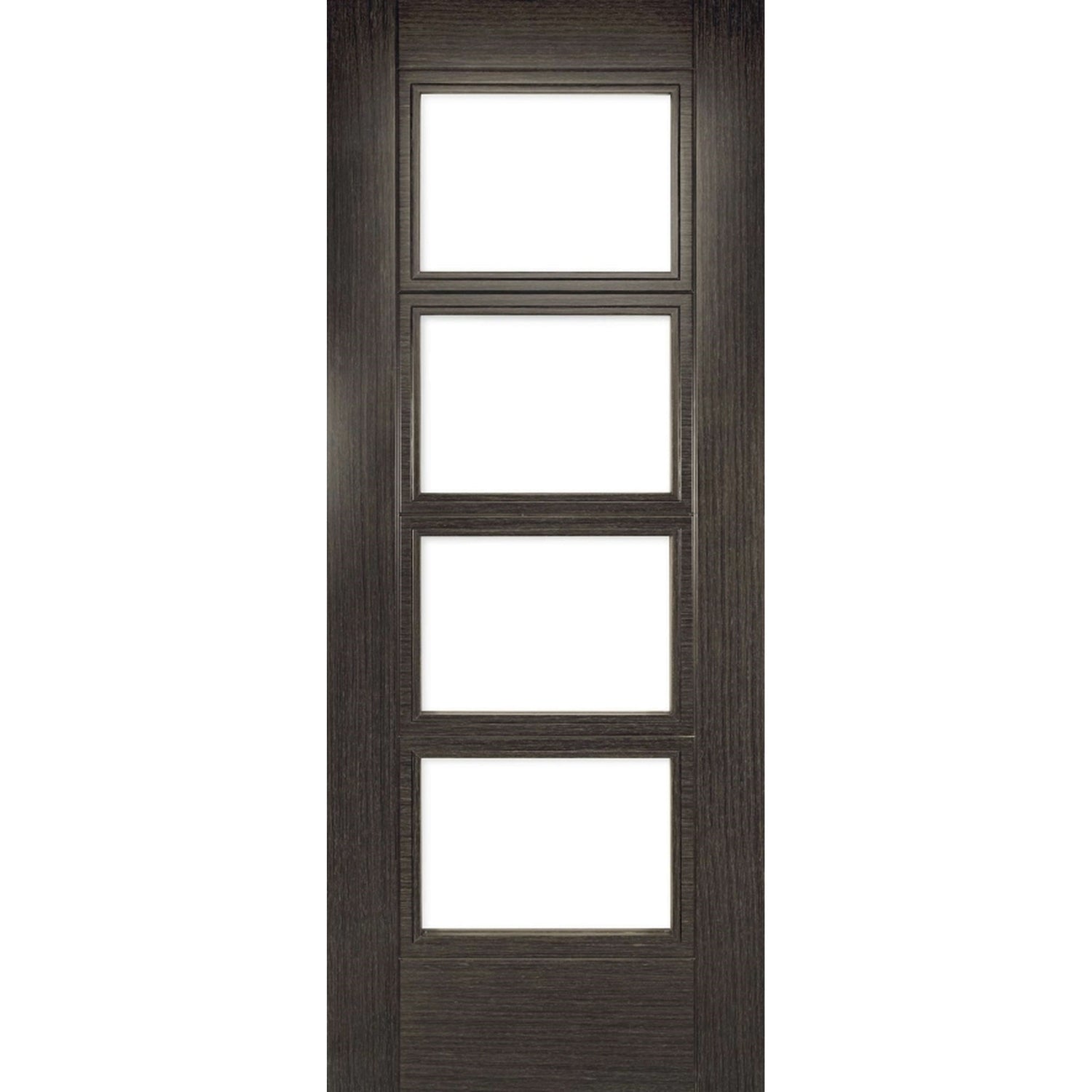

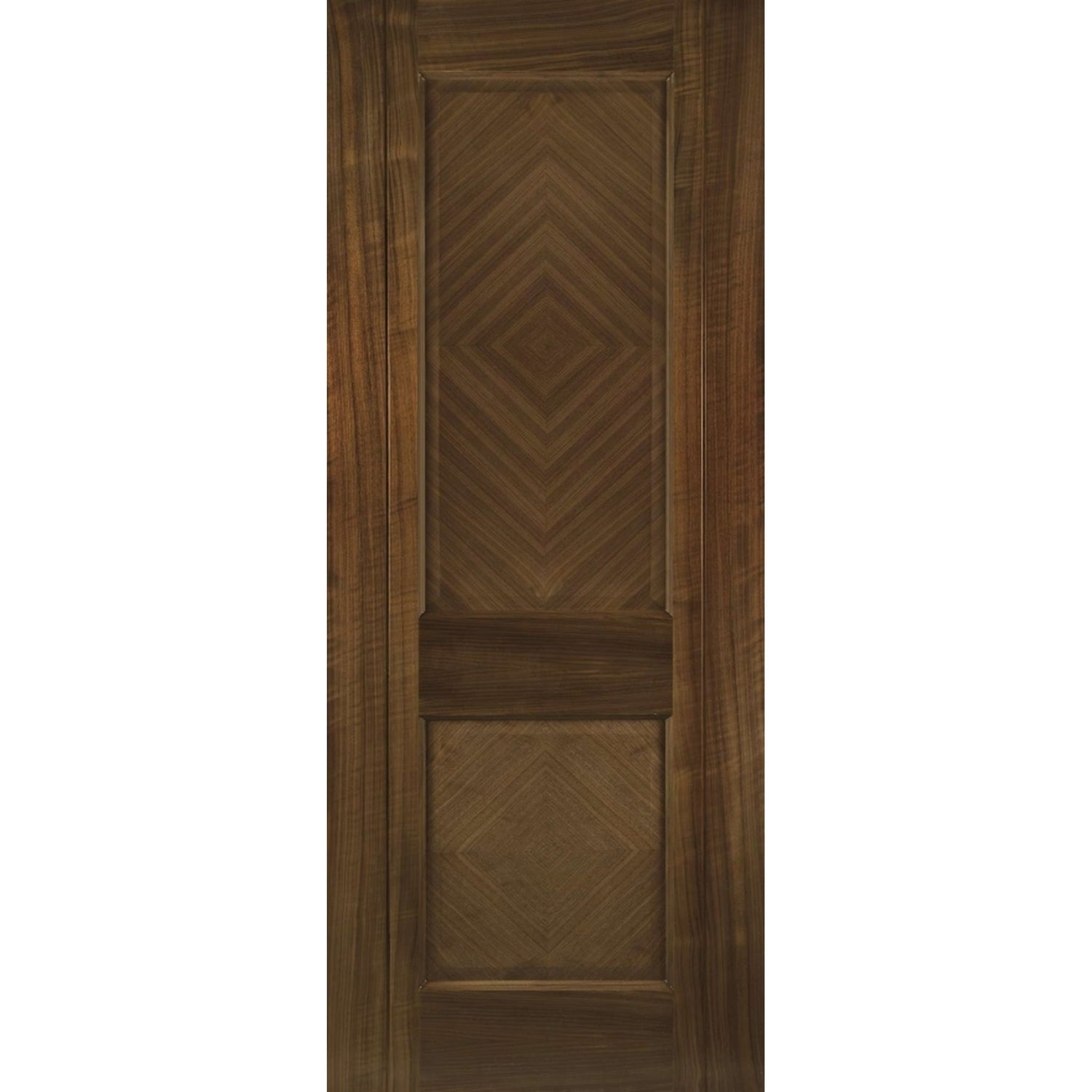


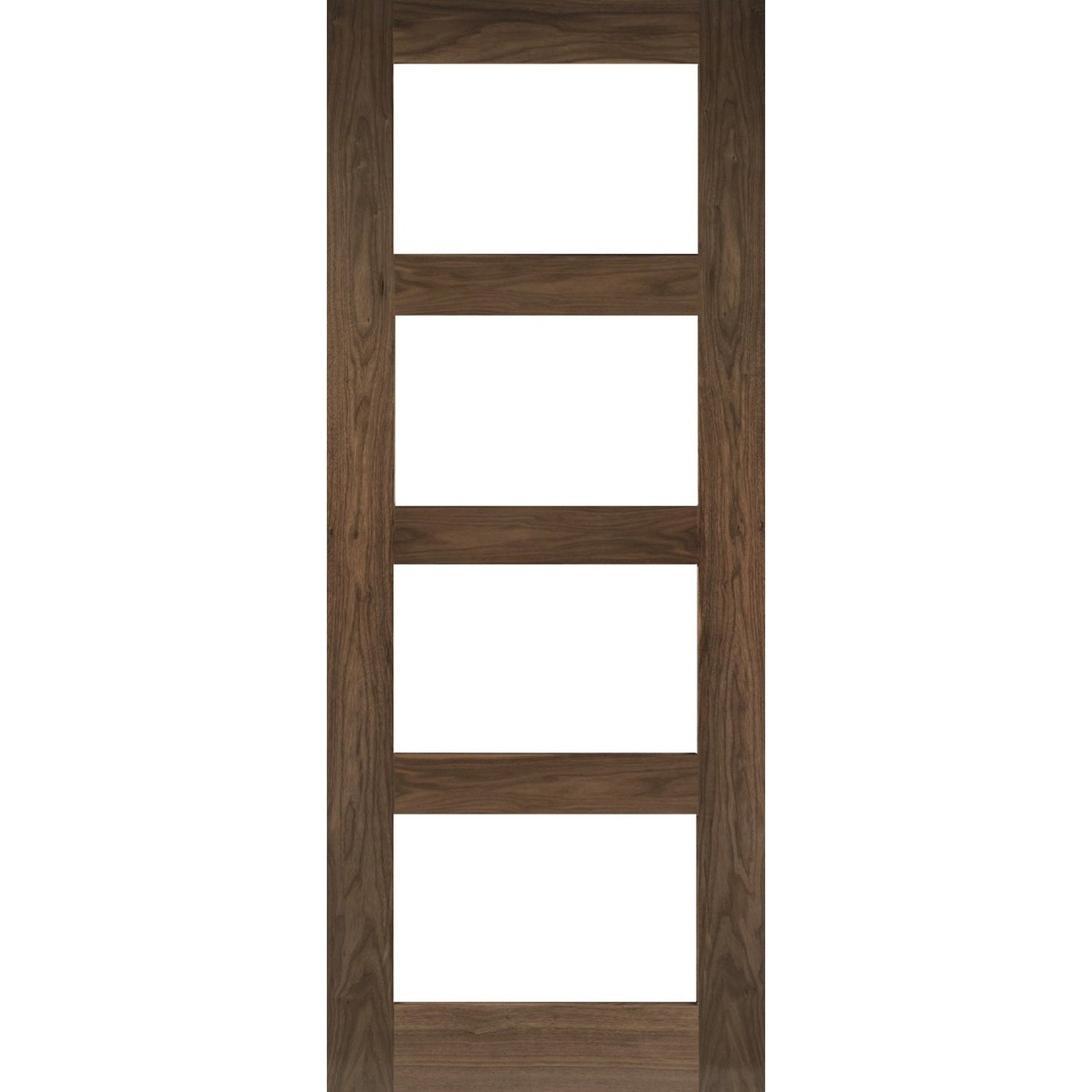

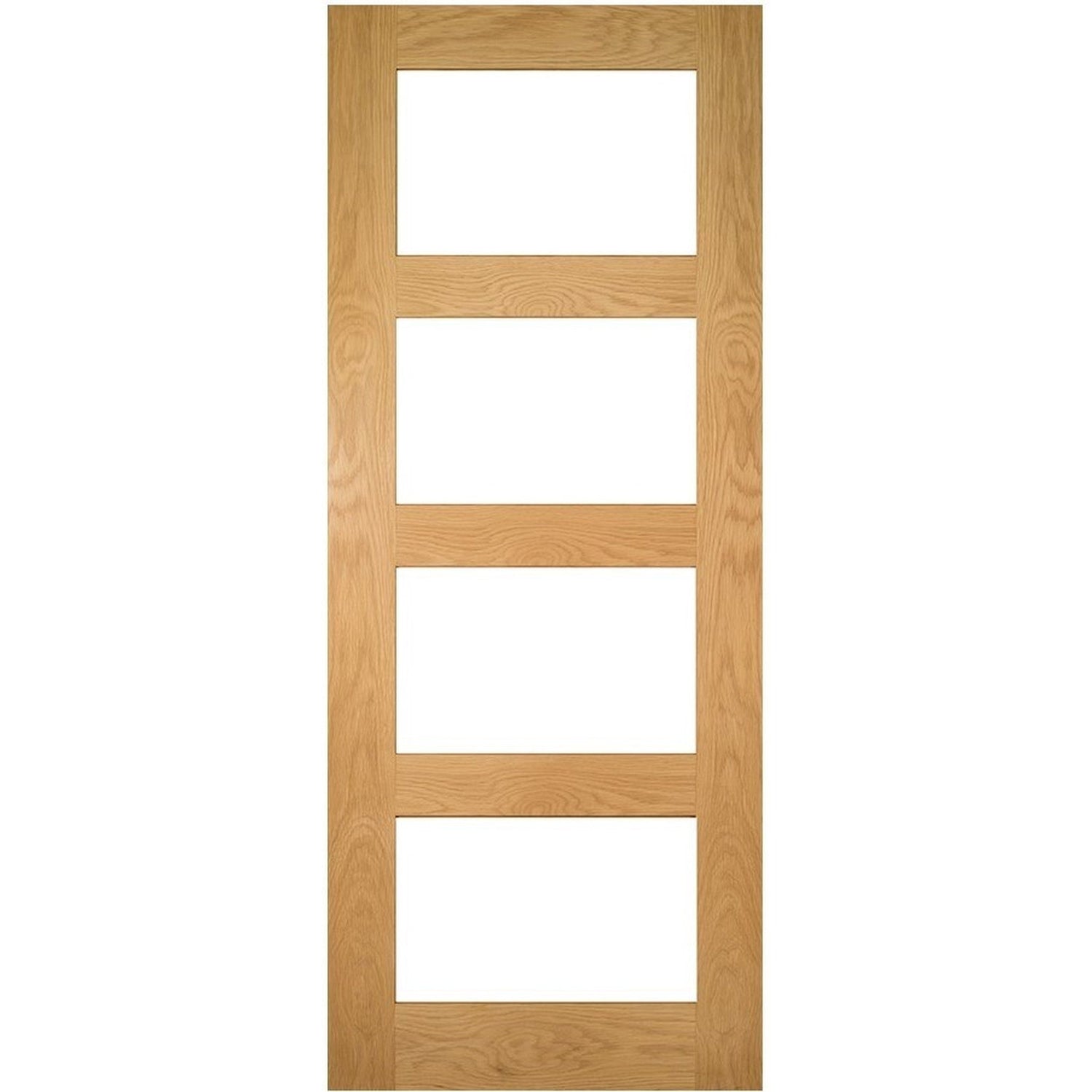

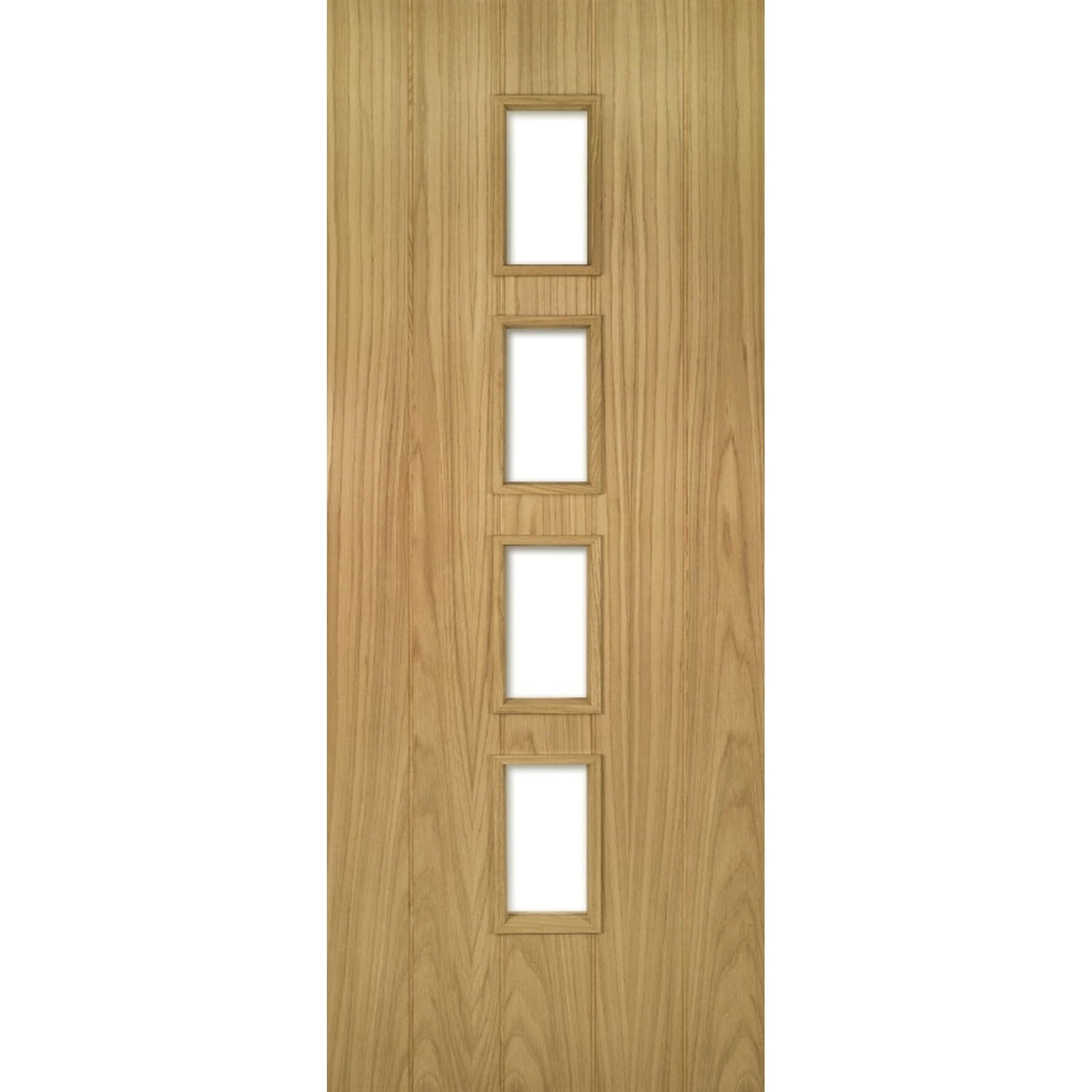


Light Grey Flush Horizontal Inlay Prefinished Internal FD30 Fire Door
17625
£176.25 (inc VAT)
Unit price per

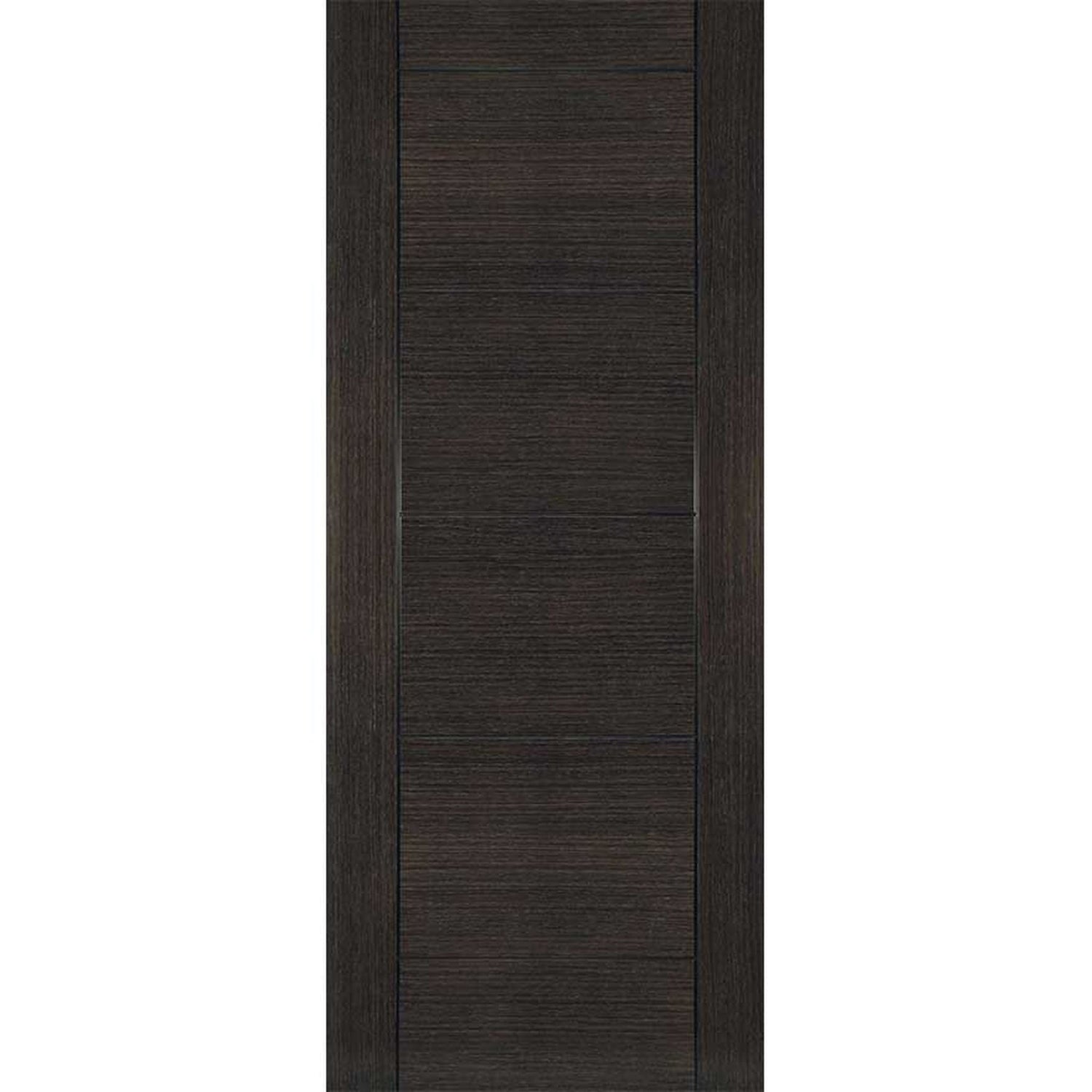
Light Grey Flush Dark Grey Edges Prefinished Internal FD30 Fire Door
17700
£177.00 (inc VAT)
Unit price per


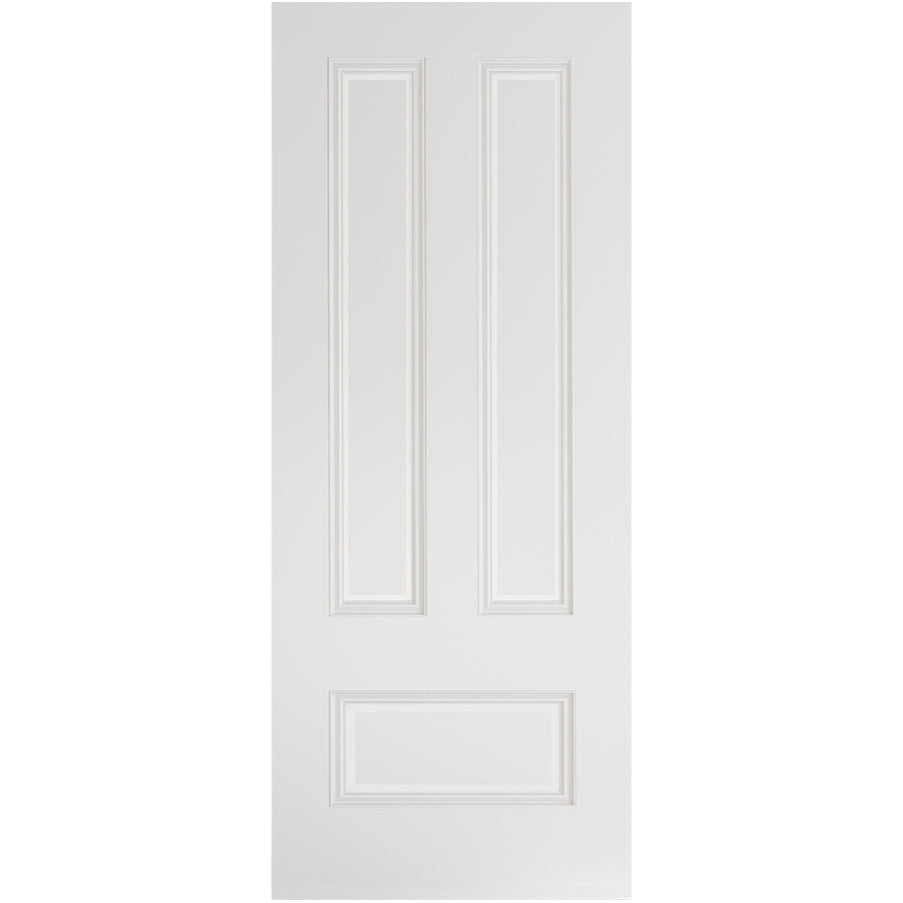


Fire Protection Without the Compromise
Our internal fire doors bring genuine fire protection into a home or workplace, each one built and tested to hold back flame and smoke and buy the people inside the minutes that matter. Whether you're specifying fire doors across a new build, satisfying building control on a loft conversion, or upgrading a single door onto a stairwell or an integral garage, every door on this page is a true fire-rated door, engineered for the job rather than a standard door dressed up to look the part.
Because the fire performance is built into the core of the door, you're free to choose on looks: this is the full range of internal fire doors, in the same styles and finishes as the rest of our doors, so a fire door no longer has to mean the plain, institutional slab it once did. It's easiest to start with how you want it to look and let the rating follow, so you can browse the whole range by style and narrow from there.
How much fire protection do you need?
Internal fire doors are rated by how long they hold back a fire. For most homes, such as loft conversions, integral garages and the doors onto an escape route, a 30-minute rating is what building control specifies, and you'll find these gathered in our FD30 fire doors. Where a building or its use calls for longer, a 60-minute rating steps in, held in our FD60 fire doors, typically for commercial and higher-occupancy settings. If you're not certain which applies, your building control officer or a fire risk assessment will set the rating for the opening, and it's worth confirming before you buy, because the two aren't interchangeable.
Styles and finishes to choose from
With the fire rating taken care of at the core, the choice comes down to the look. Glazed fire doors use fire-rated glass to carry light between a hallway and the rooms off it, while oak fire doors bring a real oak veneer to a fire-rated core for a warm, timber face. For the full spread of finishes, including white, grey, walnut and more, browse fire doors by material, and across the range you'll find flush and panelled designs to match the era of the house, so you can hold one look consistently through a floor while every door still meets its rating.
Frames, seals, hardware and sizes
A fire door only performs as part of a complete fire doorset, so the pieces around it matter as much as the door itself. To keep the rating intact you'll want a compatible fire door frame or lining, the right intumescent strips and smoke seals set into the frame or door edge, and a set of fire-rated hinges, plus a compliant closer where the opening calls for one. On size, internal fire doors are made to a 44mm thickness, a little heavier than a standard 35-40mm door, and the common heights and widths are gathered on the fire door sizes page; most allow a small trimming margin, but always keep to the manufacturer's limits so the rating stays valid.
FAQs
They're rated by time. Most are a 30-minute (FD30) rating, which suits the majority of homes, while a 60-minute (FD60) rating is specified for commercial or higher-risk buildings. Your building control officer or fire risk assessment will confirm what your project needs.
Yes. A fire door only reaches its rating as part of a complete doorset: a compatible fire-rated frame or lining, intumescent strips and smoke seals, and fire-rated hinges. The door on its own isn't a certified fire doorset.
Most can be painted or finished to match your décor, but keep coats thin and never cover the intumescent strips, and follow the manufacturer's guidance so the fire rating isn't affected.
There's no formal qualification required, but correct installation is what makes a fire door work, so it's best fitted by a competent carpenter or installer following the manufacturer's instructions.
Recently viewed products
Get inspired with @internal.doors